Los Lobos, united by their love for the game — and one another
By Valeria Uribe
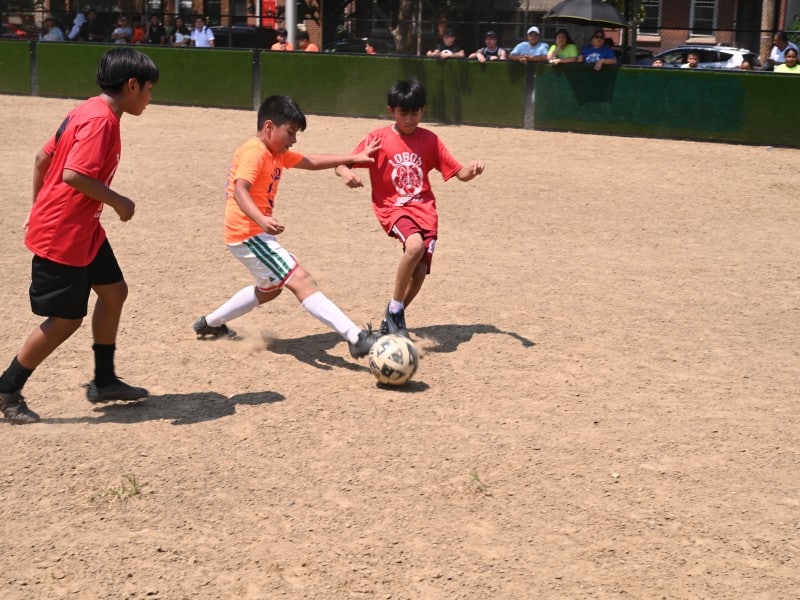
Los Lobos soccer league hosted its Great Final July 26 at Capitolo Playground in South Philadelphia. In front of family and friends, young wolves competed in 10 matches to secure the top spot in the tournament.
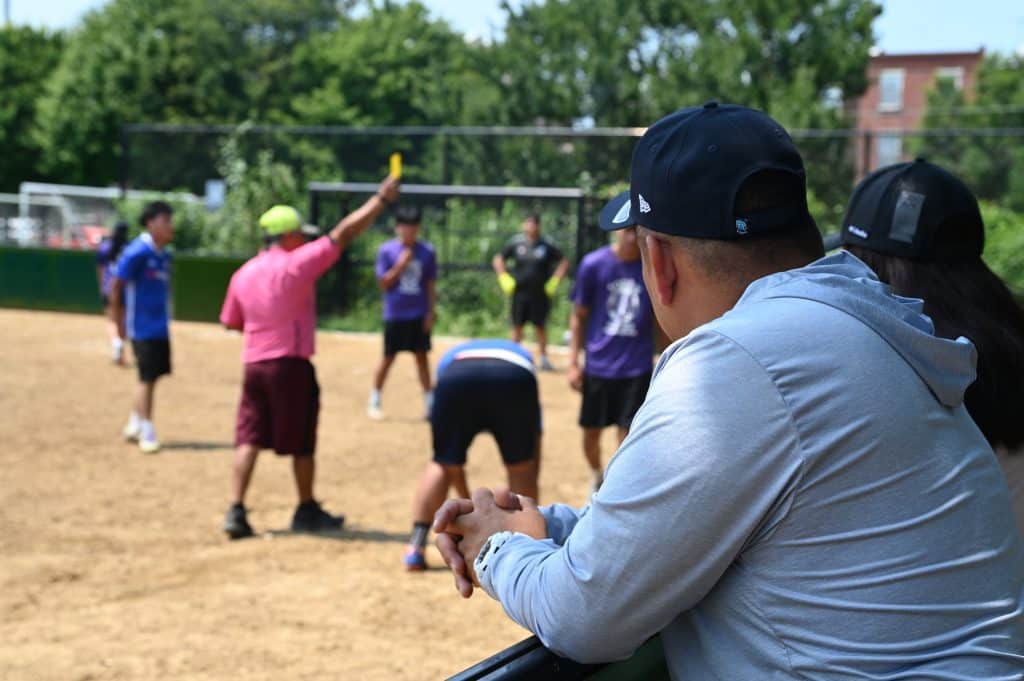
In the center of the field stood the club’s founder, Luis Uribe, acting as the referee. Salsa music played over loudspeakers and parents set out snacks for players and bystanders, while Uribe ran around on the field, keeping track of the score.
Since 2009, Los Lobos, or The Wolves, has been a space where children learn the importance of discipline while staying connected to their culture. Uribe started the club, coaching his 5-year-old daughter, Katherine, and 15 of her classmates.
“I wanted her to have a sport,” Uribe said. “The main sport I played was soccer, and I thought maybe in the future it would have helped her with her studies.”
While the 2026 FIFA World Cup propelled soccer to new heights of popularity this summer, the sport’s significance for Los Lobos is much deeper.
Steven Posada joined Los Lobos when he was 5. Ten years later, he trains hard to achieve his dream of reaching professional or semi-professional status. He and teammate Brian Muñoz are both inspired by their fathers, who share the same passion for the sport, they said.
“It [soccer] was born with me,” Posada said. “It was born with my dad too; he was the one who brought me here to play.”
Soccer is a quintessential part of Latin culture. For bicultural youth, it serves as a bridge to their heritage, offering a sense of belonging and community that transcends boundaries.
Camila, who is 11 years old and half Colombian and half Dutch, says soccer brings her closer to her heritage. She rooted for Colombia during the World Cup and watched the games along with her sister Sophia while wearing the country’s tricolor merch, said her mother, May Gaitan.
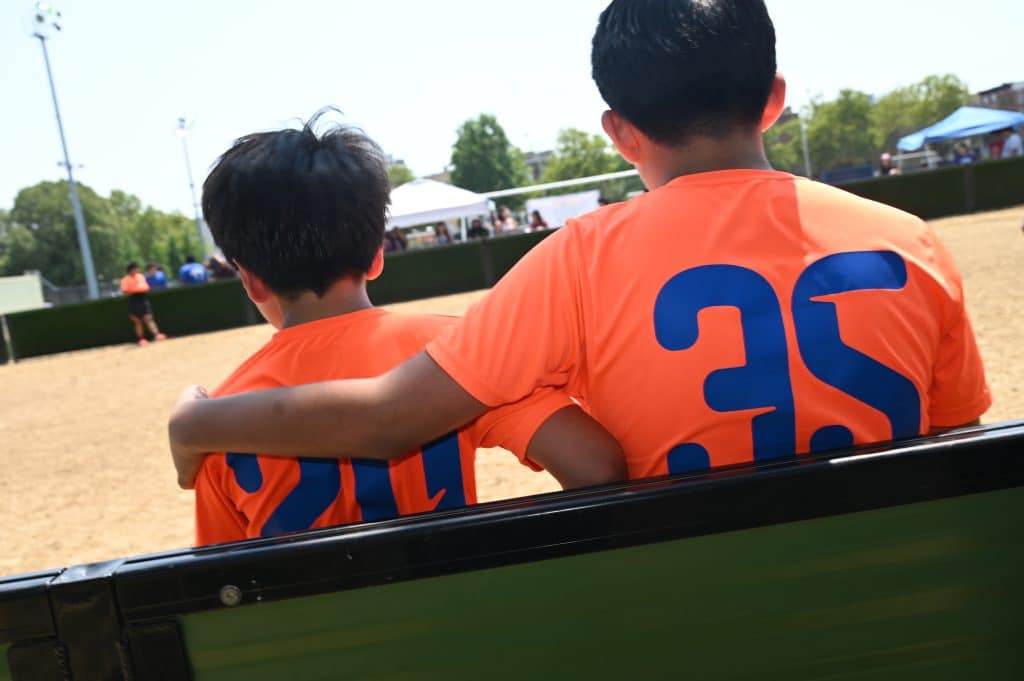
But practicing soccer has more benefits than connecting children with their culture. They join a supportive community and an atmosphere that promotes self-confidence and social skills.
That was the case for Gaitan’s two daughters, Sophie and Camila, who have been at Los Lobos for four years. Both girls always loved soccer, but before starting at Los Lobos, they were shy and struggled with their self-esteem. After four years at the club, their mother says, there’s been a big change in their behavior.
“This team has helped them develop socially and be confident in themselves,” Gaitan said, as her daughters ran around Capitolo Playground with their teammates. “The way they behave themselves, they are more open and social and it has helped them at school as well.”
Sophie and Camila say that the Los Lobos soccer league holds a special place in their hearts.
“They feel at home,” Gaitán said. “The community here, many mothers know who my children are and they take care of them, and I do the same. This here is like a family.”
United, and in a pack
The name Los Lobos carries deep significance, symbolizing the unity in a wolf pack while honoring Uribe’s roots in Puebla, Mexico.
“Where I’m from, there are always wolves, and I could hear them howl at night,” Uribe said. “The second reason why I chose the name is that wolves are always united and they are in a pack, and that is beautiful. I thought, ‘We are going to be a pack of wolves.’”
The sense of community at Los Lobos runs deep. Parents often accompany their children to practice at Capitolo Playground, and chat with other parents or even play a sporadic game.
For the Posadas, soccer is a family deal. Their daughter Allison is 9 years old and started playing for Los Lobos last year. When the Grand Final takes place, the Posadas are at Capitolo Playground from noon until 8 p.m., and the whole family attends practice every week, said Sonia Nolasco, Steven and Allison’s mother.
“It’s very beautiful because Los Lobos’ community is really big; it feels great to see them share with their friends,” Nolasco said. “They love to go to practice; while one division trains, the others wait in the park. They love it when it’s their turn. We come together, and we leave together.”
The league that started with 15 children grew into something Uribe never expected. Nowadays, Los Lobos counts 180 players and numerous families who make the matches feel like a celebration.
“I wasn’t expecting what is going on,” Uribe said. “When I started coaching my daughter and her friends, I had soccer, whatever I knew about it, but with time the league expanded, and something beautiful was born. Many families there know each other, and it unites families and cultures.”
At Los Lobos, soccer unites them as a true pack of wolves.

Los Lobos, unidos por el fútbol – y su amor mutuo
Por: Valeria Uribe
La liga de fútbol Los Lobos celebró su Gran Final el 26 de julio en el Capitolo Playground, en el sur de Filadelfia. Ante familiares y amigos, los jóvenes lobos compitieron en 10 partidos para alcanzar el primer lugar.
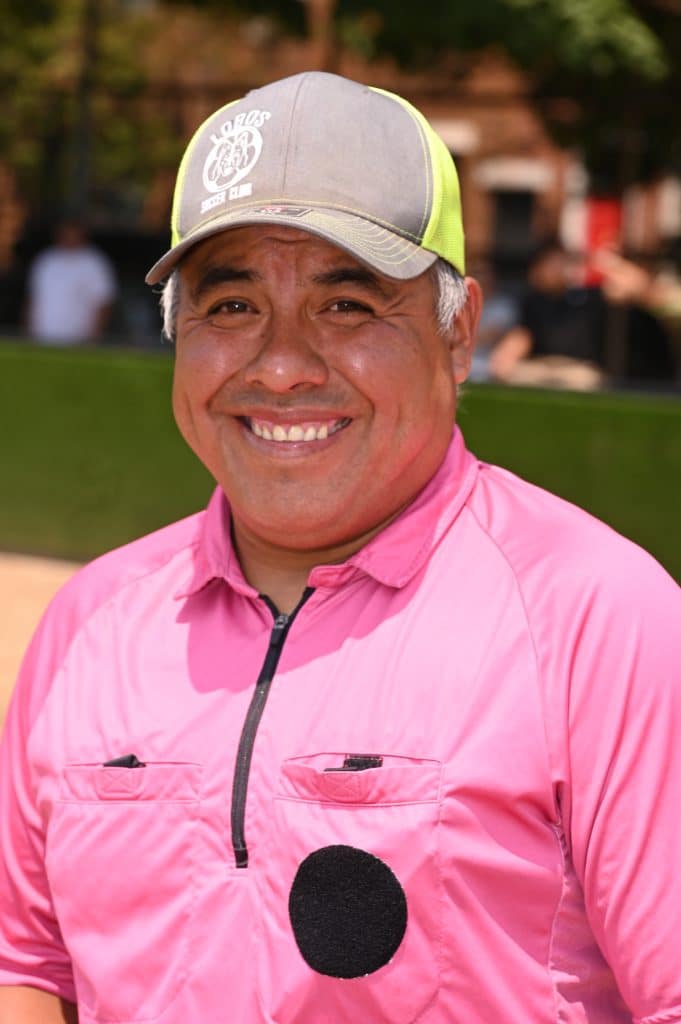
En el centro del campo se encontraba el fundador del club, Luis Uribe, en el rol de árbitro. La música salsa sonaba por los parlantes y los padres preparaban aperitivos para los jugadores y los espectadores, mientras Uribe corría por el campo.
Desde 2009, Los Lobos ha sido un lugar donde los niños aprenden la importancia de la disciplina mientras que se mantienen conectados con su cultura. Uribe fundó el club para entrenar a su hija Katherine, de 5 años, y a 15 de sus compañeros.
“Quería que tuviera algún deporte”, dijo Uribe. “El deporte que yo practiqué principalmente era el fútbol, y pensé que quizá en el futuro le podría ayudar, tal vez con sus estudios”.
La Copa Mundial de la FIFA 2026 impulsó la popularidad del fútbol a un nuevo nivel este verano; sin embargo, este deporte ha sido importante para Los Lobos desde hace muchos años.
Steven Posada se unió a los Lobos cuando tenía 5 años. Diez años después, entrena para alcanzar su sueño de llegar a niveles profesionales o semiprofesionales. Tanto él como su compañero Brian Muñoz encuentran inspiración en sus padres, quienes comparten la misma pasión por el deporte y fueron quienes los introdujeron al fútbol.
“[El fútbol] nació conmigo”, dijo Posada. “También nació con mi papá; él fue el que me llevó aquí para jugar”.
Este deporte es una parte importante de las culturas latinas. Para los jóvenes biculturales sirve como un puente que los conecta con sus raíces y les brinda un sentido de pertenencia.
Camila, de 11 años, es mitad colombiana y mitad holandesa, y dice que el fútbol la acerca a sus raíces. Apoyó a Colombia durante el mundial y vio los partidos junto a su hermana Sophie, vestidas con la camiseta tricolor de la selección, dijo su madre, May Gaitán.
Jugar fútbol hace más que conectar a los niños con su cultura. Formar parte de una comunidad acogedora los ayuda a fomentar su autoestima y sus habilidades sociales.
Este fue el caso de las hijas de Gaitán, Sophie y Camila, quienes llevan cuatro años en Los Lobos.
A ambas niñas siempre les ha encantado el fútbol, pero antes de comenzar a jugar en Los Lobos eran tímidas y tenían problemas de autoestima. Tras cuatro años en el club, su madre dijo que había notado un cambio en su comportamiento.
“Este equipo les ha ayudado a desarrollarse socialmente y a tener confianza en sí mismas”, dijo Gaitán mientras sus hijas corrían por Capitulo Playground con algunos de los jugadores. “Su forma de actuar ahora es más abierta y sociable, y eso les ha ayudado en el colegio”.
Sophie y Camila dicen que la liga de fútbol de Los Lobos ocupa un lugar especial en sus corazones.
“Se sienten como en casa”, dijo Gaitán. “En esta comunidad muchas madres saben quiénes son mis hijas y las cuidan, y yo hago lo mismo. Es como una familia”.
Unidos, y en manada
El nombre Los Lobos tiene un significado importante ya que simboliza la unidad de una manada de lobos y honra las raíces de Uribe en Puebla, México.
“De donde yo vengo, siempre hay lobos y podía escucharlos chillar en las noches”, dijo Uribe. “La segunda razón es porque los lobos siempre están unidos y en manada y eso es lindo. Pensé: ‘Vamos a ser una manada de lobos unidos’”.
El espíritu de comunidad está muy arraigado en Los Lobos. Los padres acompañan a sus hijos a los entrenamientos en el Capitolo Playground y comparten con otros padres o disputan un partido de fútbol improvisado.
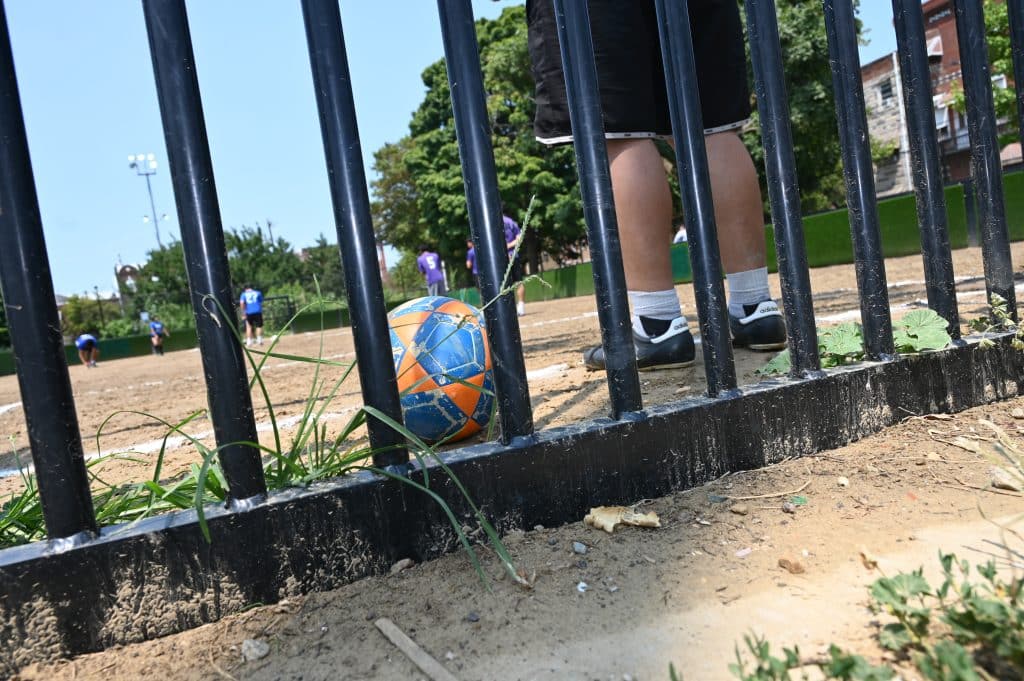
Para los Posada, el fútbol es una actividad familiar. Su hija, Allison, tiene 9 años y empezó a jugar para los Los Lobos el año pasado. Cuando se celebra la Gran Final, los Posada están en el Capitolo Playground desde el mediodía hasta las 8 p.m., y asisten a los entrenamientos juntos cada semana, dijo Sonia Nolasco, madre de Steven y Allison.
“Es muy lindo porque la comunidad de Los Lobos es muy grande; me da mucha alegría ver cómo comparten momentos con sus amigos”, Nolasco dijo. “Les encanta ir a los entrenamientos. Mientras una categoría entrena, los otros esperan en el parque. Les encanta cuando es su turno. Llegamos juntos y nos vamos juntos”.
El club que comenzó con 15 niños se convirtió en algo que Uribe nunca imaginó. Hoy en día, Los Lobos cuentan con 180 jugadores y varias familias que hacen que los partidos parezcan una fiesta.
“No me esperaba eso que está pasando”, dijo Uribe. “Cuando comencé a entrenar a mi hija y sus amigos, tenía el fútbol, lo mucho o poco que sabía de fútbol y con el tiempo fue creciendo y es algo lindo. Muchas familias aquí se conocen y se unen familias y las culturas.”
El fútbol une a Los Lobos como una verdadera manada.
Autor(a)