Two Latine chefs are bringing Latine flavors to Fishtown, opening restaurants that blend traditional recipes with the neighborhood’s evolving dining scene.
On a Friday afternoon in Fishtown, the sidewalks hum with activity as customers line up for the neighborhood’s newest food destinations. Among the breweries and trendy eateries, two Latine-owned restaurants are redefining the area’s culinary scene by blending tradition, innovation and community.
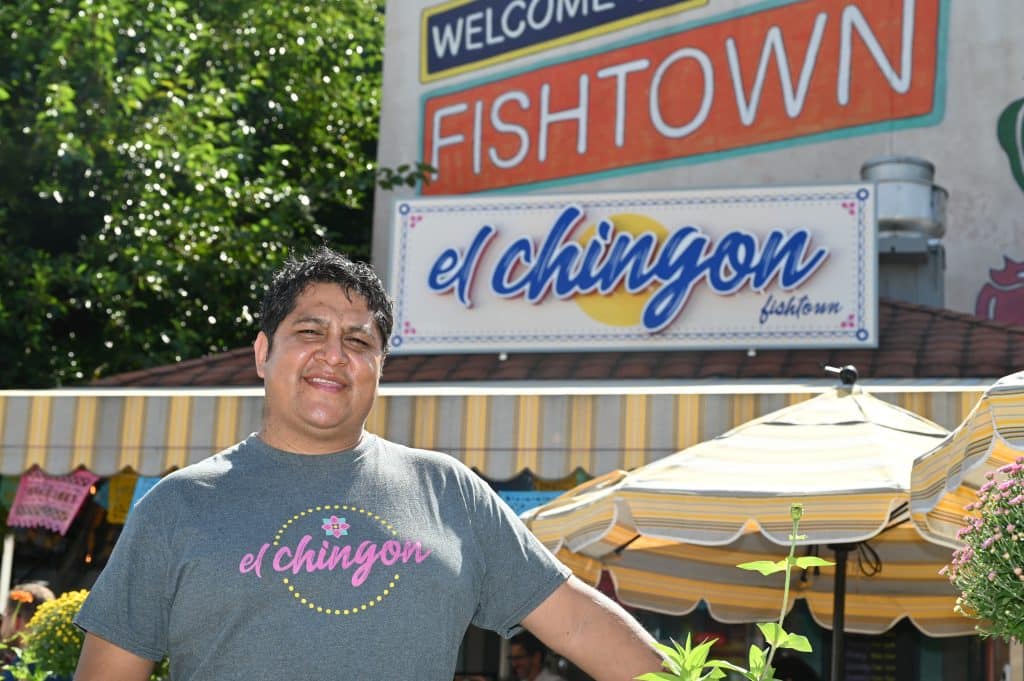
At the foot of the iconic Welcome to Fishtown mural, chef Juan Carlos Aparicio offers handmade sourdough tortillas and Puebla-inspired bread at El Chingón. A bit farther north, on the border of Fishtown and East Kensington, Casa Borinqueña, owned by chef Lulú, introduces vegan Puerto Rican dishes rooted in family recipes. Together, their restaurants are drawing interest while offering a deeper look at cultural legacy in one of Philadelphia’s fastest-changing neighborhoods.
For both chefs, the question was never “why” Fishtown, but rather, “why not?” Lulú wanted to expand Puerto Rican vegan cuisine beyond traditional boundaries, and Aparicio saw an opportunity to bring his signature cooking to a neighborhood in transition. Their decisions reflect a belief that Latine-owned businesses belong wherever people gather, not only in historically Latine areas.
“Mi restaurante tiene que representarme a mí,” Lulú said. “I’m happy to be between Fishtown and East Kensington because I can show my community how to eat differently.”
PHOTO: STEPHEN KNIGHT
Her path to Philadelphia began in California where she noticed that neither Puerto Rican cuisine nor vegan food had much visibility. She launched a pop-up in Oakland, followed by a brick-and-mortar in San Francisco, before deciding Philadelphia was the place to grow her vision. Though the city is known for cheesesteaks, Lulú saw space for something different: authentic Puerto Rican flavors reimagined for plant-based diets.
At first, not everyone embraced her approach. Some Puerto Rican customers pushed back, noting that pork is central to many traditional recipes. But Lulú stayed committed, determined to prove that cultural authenticity could coexist with healthier adaptations.
“All my recipes are from [my] family, passed down to me,” she said. “I grew up cooking, traveling to Puerto Rico to learn about ingredients. My products are imported directly from the island.”
Her most popular dish, the pincho set with rice and gandules, is one traditionally reserved for holidays and family gatherings. At Casa Borinqueña, it is available daily a celebration of heritage and resilience served plate by plate.
For Lulú, the restaurant is about more than food. A hand-painted sign inside the restaurant reads “Borikén,” the Taíno word for Puerto Rico, reminding customers that the space is rooted in legacy, family and community.
“Many Latinos prefer to stay in their own neighborhoods because they feel comfortable,” she said. “But I believe we can be anywhere, showing the world our culture.”
That vision resonates with customers like Joel Rijos, who stopped into Casa Borinqueña one afternoon to try the arroz con leche de coquito.
“I’m Boricua—wherever there are Boricuas, I’ll be there,” Rijos said.
Aparicio has also built his restaurant on the foundation of legacy. He has witnessed Fishtown change dramatically since he arrived decades ago.
“When I arrived in Philadelphia in 2000, there was nothing here no restaurants, not a lot of Latinos,” he said. Over the years, he worked in some of the city’s best-known kitchens and, in 2008, helped create the bread program at the French bistro Parc in Rittenhouse Square. Aparicio, a two-time James Beard Award nominee, developed the restaurant’s signature baguettes during his time there.
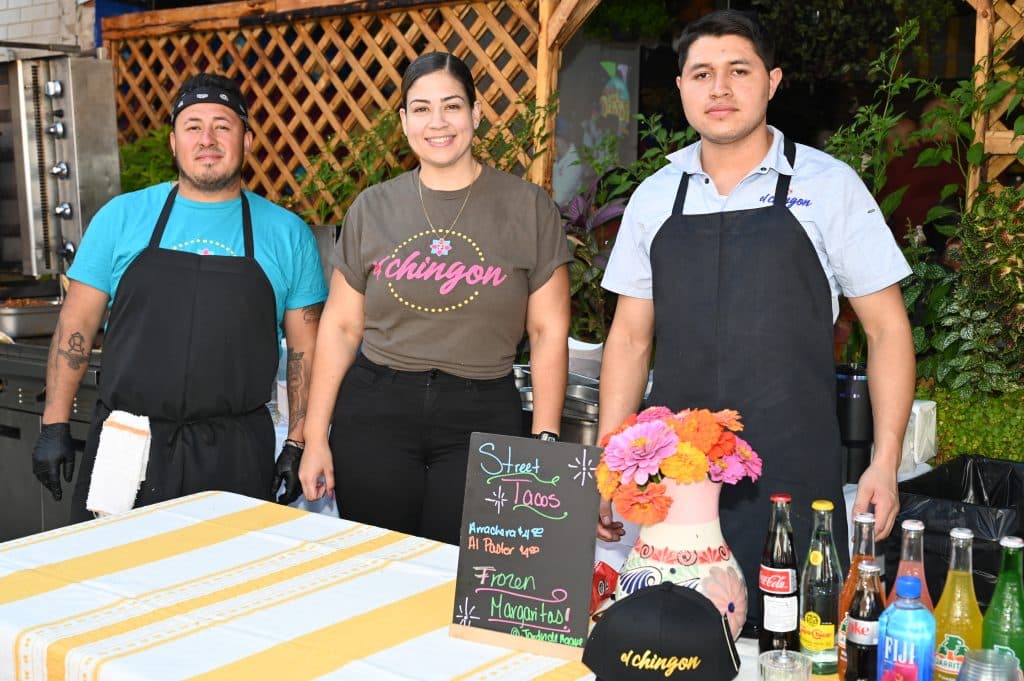
All those years of experience and determination come through at El Chingón where he and his team perfect traditional Puebla breads such as the cemita poblana, prepared fresh each day. Aparicio described his approach as intentionally “outside the box.”
PHOTO: STEPHEN KNIGHT
“Everything is made in-house, everything is fresh, everything is made every day,” he said. “What I do is something I’m passionate about and love to create and make.”
For Aparicio, El Chingón is more than a restaurant, it’s a vision of Mexican flavors reimagined for Fishtown, and a gathering place for Latine culture.
According to a 2016 Pew Charitable Trusts report, Fishtown has experienced some of the fastest demographic and economic changes in Philadelphia, with rising property values and a surge in new businesses. Once a largely working-class enclave, the neighborhood is now home to breweries, boutiques and high-end restaurants that have reshaped its commercial corridors.
U.S. Census Bureau estimates from 2020 show that Latinos make up about 15% of Philadelphia’s population, with Puerto Rican and Dominican communities concentrated in North Philadelphia neighborhoods adjacent to Fishtown. The presence of Casa Borinqueña and El Chingón reflects that influence, offering spaces where food serves as both nourishment and cultural affirmation.
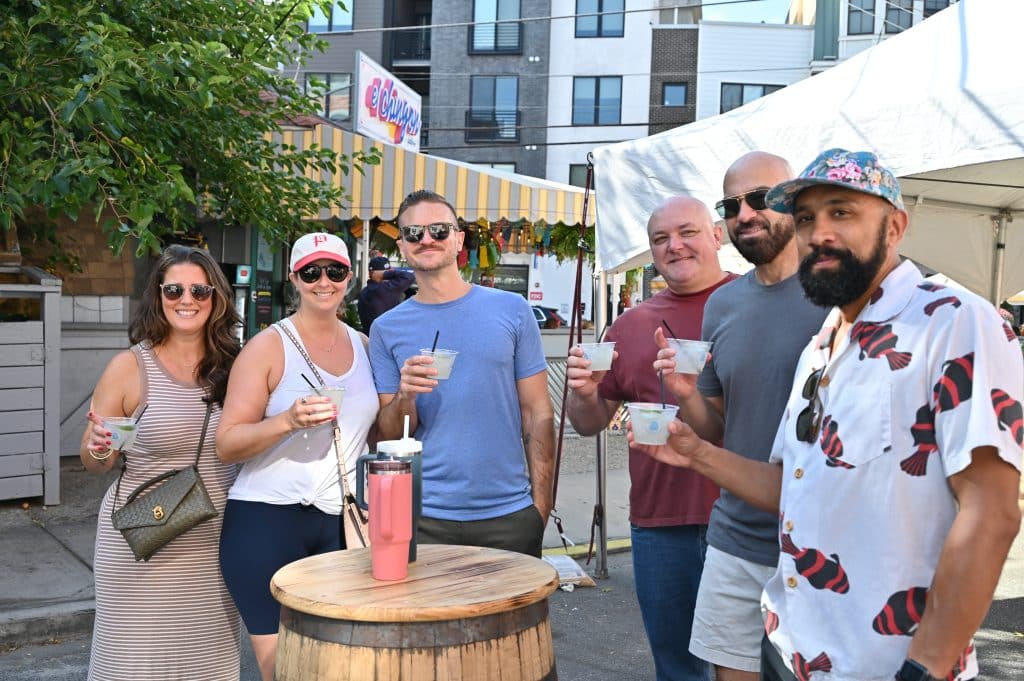
That vision was on full display on Sept. 20, when El Chingón hosted its first block party. Front Street pulsed with reggaeton and cumbia as families, neighbors and friends gathered around cemitas, tacos and margaritas. Children played in front of the mural while residents leaned against the storefront, talking over the music. For Aparicio, the event reflected a larger goal: building community and making Latin culture visible in Fishtown.
“It’s not just about the food,” he said as music played in the background. “It’s about making people feel welcome, like they belong here.”
PHOTO: STEPHEN KNIGHT
Chefs Latinos se Abren Paso en Fishtown
PHOTO: STEPHEN KNIGHT
En una tarde de viernes en Fishtown, las aceras vibran de actividad mientras los comensales hacen fila para probar los nuevos destinos gastronómicos del vecindario. Entre las cervecerías y restaurantes de moda, dos restaurantes latinos están redefiniendo la escena culinaria de la zona al combinar tradición, innovación y comunidad.
Al pie del icónico mural “Welcome to Fishtown”, el chef Juan Carlos Aparicio ofrece tortillas de masa madre hechas a mano y panes inspirados en su tierra natal de Puebla en El Chingón. Un poco más al norte, en la frontera entre Fishtown y East Kensington, Casa Borinqueña, propiedad de la chef Lulú, presenta platos veganos puertorriqueños basados en recetas generacionales. Juntos, estos restaurantes atraen interés y ofrecen una mirada más profunda al legado cultural en uno de los vecindarios de mayor desarrollo en Filadelfia.
Para ambos chefs, la pregunta nunca fue “¿por qué Fishtown?”, sino “¿por qué no?”. Lulú quería expandir la cocina vegana puertorriqueña más allá de los límites tradicionales, y Aparicio vio la oportunidad de llevar su cocina distintiva a un vecindario en transición. Sus decisiones reflejan la creencia de que los negocios de propiedad latina pueden estar en espacios que todos frecuentan, no sólo en áreas históricamente latinas.
“Mi restaurante tiene que representarme a mí,” dijo Lulú. “Estoy feliz de estar entre Fishtown y East Kensington porque puedo mostrar a mi comunidad cómo comer de manera diferente.”
Su camino hacia Filadelfia comenzó en California, donde notó que la cocina puertorriqueña no tenía mucha visibilidad. Lanzó un pop-up en Oakland, seguido de un local físico en San Francisco, antes de decidir qué Filadelfia era el lugar para expandir su visión. Aunque la ciudad es conocida por sus cheesesteaks, Lulú vio espacio para algo diferente: sabores puertorriqueños auténticos reinterpretados para dietas vegetarianas.
Al principio, no todos aceptaron su enfoque, dijo ella. Algunos clientes puertorriqueños se resistieron, señalando que el cerdo es central en muchas recetas tradicionales. Pero Lulú se mantuvo firme, decidida a demostrar que la autenticidad cultural podía coexistir con adaptaciones más saludables.
PHOTO: STEPHEN KNIGHT
“Todas mis recetas son de mi familia, me las han transmitido,” dijo. “Crecí cocinando, viajando a Puerto Rico para aprender sobre los ingredientes. Mis productos se importan directamente desde la isla.”
Su plato más popular, el pincho con arroz y gandules, es tradicionalmente reservado para fiestas y reuniones familiares. En Casa Borinqueña está disponible todos los días: una celebración de patrimonio y resiliencia servida plato por plato.
Para Lulú, el restaurante es más que comida. Un letrero pintado a mano dentro del local dice “Borikén”, la palabra taína para Puerto Rico, recordando a los clientes que el espacio está arraigado en la herencia, la familia y la comunidad.
“Muchos latinos prefieren quedarse en sus propios vecindarios porque se sienten cómodos,” dijo. “Pero creo que podemos estar en cualquier lugar, mostrando nuestra cultura al mundo.”
Esa visión se refleja en clientes como Joel Rijos, que entró a Casa Borinqueña una tarde para probar el arroz con leche de coquito.
“Soy boricua; donde haya boricuas, yo estaré,” dijo Rijos.
Aparicio también ha construido su restaurante sobre la base del legado. Ha sido testigo de cambios dramáticos en Fishtown desde que llegó hace décadas.
“Cuando llegué a Filadelfia en los 2000, no había nada aquí—no había restaurantes, no había muchos latinos,” dijo. A lo largo de los años, trabajó en algunas de las cocinas más reconocidas de la ciudad y, en 2008, ayudó a crear el programa de panadería en el bistro francés Parc, en Rittenhouse Square. Aparicio, nominado dos veces al premio James Beard, desarrolló durante ese tiempo las baguettes características del restaurante.
PHOTO: STEPHEN KNIGHT
Todos esos años de experiencia y dedicación se reflejan en El Chingón, donde él y su equipo perfeccionan panes tradicionales de Puebla, como la cemita poblana, preparados frescos cada día. Aparicio describió su enfoque como deliberadamente “fuera de lo convencional.”
“Todo se hace en casa, todo es fresco, todo se hace todos los días,” dijo. “Lo que hago es algo que me apasiona y disfruto crear y preparar.”
Para Aparicio, El Chingón es más que un restaurante; es una visión de sabores mexicanos reinterpretados para Fishtown y un lugar de encuentro para la cultura latina.
Según un informe de Pew Charitable Trusts de 2016, Fishtown ha experimentado algunos de los cambios demográficos y económicos más rápidos de Filadelfia, con un aumento en los valores de las propiedades y un auge de nuevos negocios. Antes un vecindario predominantemente de clase trabajadora, ahora alberga cervecerías, boutiques y restaurantes de alta gama que han remodelado sus corredores comerciales.
Las estimaciones de la Oficina del Censo de EE.UU. de 2020 muestran que los latinos representan aproximadamente el 15% de la población de Filadelfia, con comunidades puertorriqueñas y dominicanas concentradas en barrios del norte de la ciudad adyacentes a Fishtown. La presencia de Casa Borinqueña y El Chingón refleja esa influencia, ofreciendo espacios donde la comida sirve tanto de sustento como de afirmación cultural.
Esa visión se mostró claramente el 20 de septiembre, cuando El Chingón organizó su primera fiesta de barrio. Front Street vibró con reguetón y cumbia mientras familias, vecinos y amigos se reunían alrededor de cemitas, tacos y margaritas. Los niños jugaban frente al mural mientras los residentes se apoyaban en la fachada, conversando sobre la música. Para Aparicio, el evento reflejó un objetivo mayor: construir comunidad y hacer visible la cultura latina en Fishtown.
“No se trata solo de la comida,” dijo mientras la música sonaba de fondo. “Se trata de hacer que la gente se sienta bienvenida, que sienta que pertenece aquí.”
Joy Huertas is a Colombian immigrant from Bogotá who moved to the U.S. at 17. She studied broadcast journalism and earned a master’s degree from Liberty University. She’s led communications in government and nonprofit sectors, now focusing on social impact. Joy writes to honor her roots and uplift community voices.