No More “calladita te ves más bonita”: The Women Moving Our Communities Forward
Op-ed
Por: Ana Omana

Before the right moved too far right and the left too far left, there were millions of people somewhere in the middle. The normales, as I like to call us. Ordinary people who work, raise families, care for their communities, and simply hope for a better future.
And among them is a force that has been holding families and communities together for generations, often without much recognition: women.
They organize, solve problems, remember important dates, ask uncomfortable questions, and, when Election Day comes around, make sure everyone knows when and where to vote. They may not always hold public office or stand behind a podium, but their influence reaches far beyond the spaces where decisions are formally made.
For generations, however, women were expected to do all of this without raising their voices.
If you grew up in a Latino family, chances are you’ve heard the expression “Calladita te ves más bonita” — you look prettier when you’re quiet.
Few expressions capture machismo quite so perfectly. It may sound almost affectionate, but the message is clear: you can work, care, contribute, and help, as long as you don’t make anyone uncomfortable with your opinions.
But silence has never meant the absence of action.
Even when women were discouraged from speaking publicly, many found ways to influence their families and communities. They organized, advocated, volunteered, supported neighbors, and helped shape decisions that affected the people around them. Today, more women are challenging those expectations. They’re doing more than speaking up. They’re taking their seats at the tables where decisions are made.
And in Philadelphia, some of that work is happening in places we might not immediately associate with women’s leadership: university campuses, community outreach programs, and even hospital rooms.
From Quiet Influence to Visible Leadership
I recently had the opportunity to speak with two women at Temple University whose work illustrates what civic engagement looks like in practice: Debbie Campbell, Associate Vice President in Temple University’s Office of Community Impact and Civic Engagement, and Nicolle Strand, an associate professor at Temple University’s Lewis Katz School of Medicine.
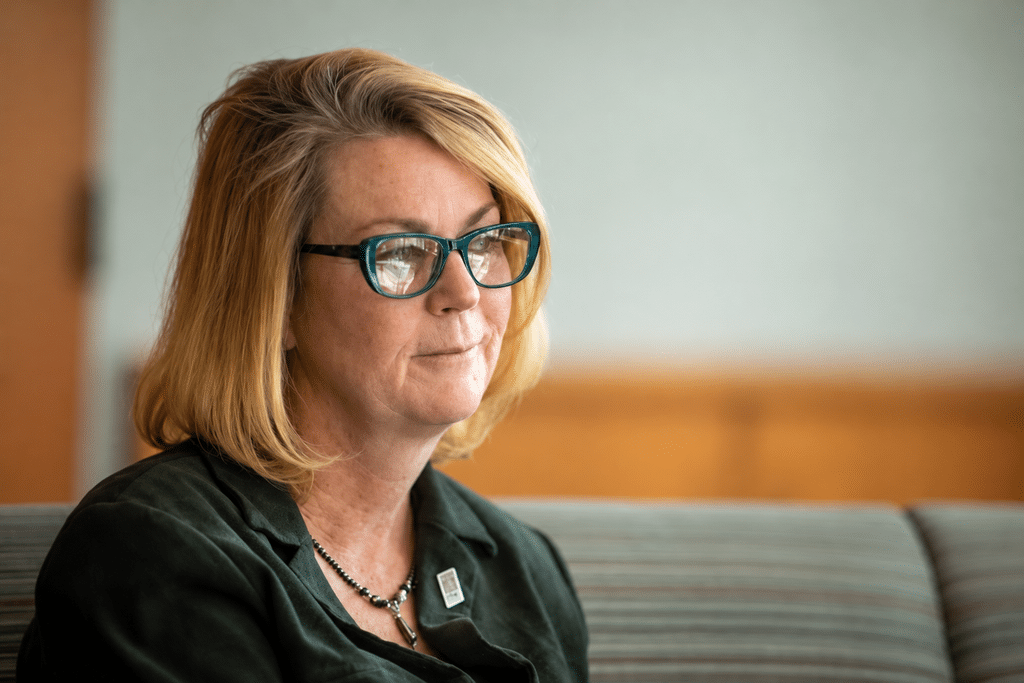
Their work approaches democracy from different angles, but both conversations reminded me that participation is about much more than casting a ballot. It’s about making sure people understand their rights, have access to information, and recognize that their voices matter.
My first conversation was with Debbie, who has spent 40 years at Temple and has witnessed firsthand how women’s leadership has evolved.
When I asked how things have changed over the years, her response was immediate.
“Things have changed, and women are in charge now,” she told me.
We talked about growing up in Philadelphia, when a family’s political choices could be strongly influenced by the husband’s job, union affiliation, or the simple assumption that he was the head of the household. In some homes, a woman’s political opinion practically came bundled with her husband’ Today, Debbie sees a different dynamic in her own family. Her adult children make their own political decisions, and she respects their independence.
That change matters. It reflects a growing recognition that a woman’s political identity does not have to be inherited from her husband, father, or family.
And it made me think about our Latino families.
How often is it a mother, grandmother, sister, or aunt who starts the conversation about elections? Who reminds everyone to register, asks questions about candidates, or insists that voting matters?
Sometimes, the most influential civic organizer in a family isn’t an elected official or a political activist. She’s the woman sitting at the kitchen table, reminding everyone that Election Day is approaching.
She may never receive recognition for that work. But when she encourages a relative to register, helps a family member understand a ballot, or starts a conversation about local issues, she’s contributing to the civic life of her community. That, too, is leadership.
Democracy Doesn’t Happen Only Every Four Years
One of the most striking points from my conversation with Debbie was surprisingly simple: many people still don’t realize that elections take place every year.
Presidential elections receive enormous attention. We debate candidates, follow the news, and argue on social media. But how often do we pay attention to the elections that determine who represents our district, makes decisions about our children’s schools, or influences the services available in our neighborhoods?
Those local and state elections often receive far less attention, even though their consequences can be felt in our everyday lives.
Who makes decisions about public schools? Who represents your district? Who influences neighborhood development, local services, and community priorities?
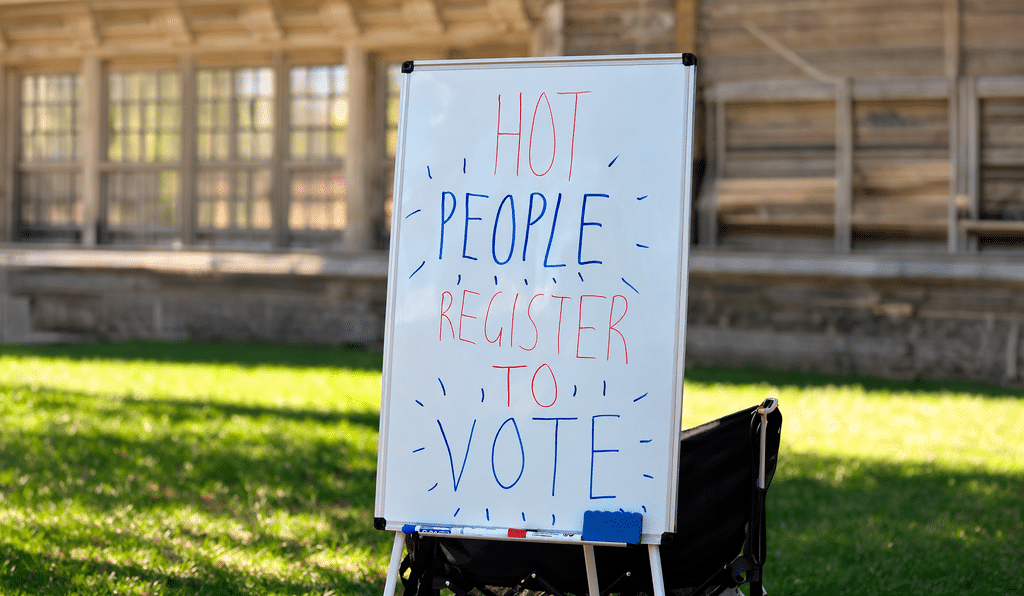
These aren’t distant political abstractions. They affect the streets we walk, the schools our children attend, and the resources our families rely on. Yet many people remain unfamiliar with local government and the officials responsible for these decisions.
When I asked Debbie about the role of social media and access to information in civic participation, our conversation returned to an important distinction: having information available doesn’t necessarily mean people know how to use it. Voter education remains essential.
Temple’s civic engagement initiatives offer creative ways to bring that education to students and community members.
One is Donut Forget to Register, which uses donuts to encourage students to register to vote. Another, Slice of Democracy, combines apple pie with voter education, helping students engage with ballot issues and think about making a plan to vote. The university also provides resources highlighting important Pennsylvania voting deadlines.
It may sound playful, even a little trivial. But sometimes a conversation over a donut accomplishes more than an hour-long political speech.
The point isn’t the pastry. It’s the conversation that happens around it.

These initiatives make civic participation approachable and help bring it into everyday campus life. They remind students that democracy isn’t something we remember only during a presidential election. It’s an ongoing practice of awareness, participation, and responsibility.
And there’s something else worth remembering: the Latino vote is not a monolith.

Our communities encompass different countries of origin, immigration experiences, generations, economic circumstances, educational backgrounds, and political philosophies. A recent immigrant who has become a U.S. citizen may approach voting differently from someone whose family has lived here for generations. Our experiences shape how we understand government, elections, and civic responsibility.
Latina women don’t all vote the same way either, nor should they.
Their strength isn’t in thinking alike. It’s in having the freedom to think for themselves, make independent decisions, and encourage others to participate. For women who grew up hearing that their opinions should follow those of the men in their families, that independence is particularly meaningful.
When Democracy Walks Into a Hospital
My conversation with Debbie sparked another question: Who are the people volunteering their time to help others exercise their right to vote, especially when circumstances make participation difficult?
That curiosity led me to Nicolle Strand, an associate professor at Temple University’s Lewis Katz School of Medicine, affiliated with the Center for Health Justice and Bioethics.
Nicolle introduced me to an initiative I had never given much thought to: helping people vote while they’re in the hospital.
Imagine Election Day arrives, and you or someone in your family unexpectedly ends up hospitalized. Between doctors, medical appointments, emergencies, and worrying about your loved ones, voting may be the last thing on your mind.
A medical emergency can disrupt even the best-laid plans. But being sick or caring for a hospitalized family member shouldn’t automatically mean losing the opportunity to participate in democracy.
For approximately six years, volunteers connected to Temple Health have helped patients and others in hospital settings understand their voting options. This includes educating eligible voters about emergency absentee ballot procedures and the steps they may need to take when illness or an unexpected circumstance prevents them from voting as planned.
The work has involved multiple Temple Health facilities, including Temple University Hospital’s Main Campus, Jeanes Campus, and Episcopal Campus, as well as Chestnut Hill Hospital, Fox Chase Cancer Center, Temple Women & Families Hospital, and the Northeastern Campus outpatient and urgent care facility.

Similar efforts have taken place elsewhere in the Philadelphia region, including at Penn Medicine, which has also promoted voter engagement through Vot-ER, a national, nonpartisan organization that works with health systems to make voter registration and election participation more accessible.
The principle behind these efforts is straightforward: civic participation should not become inaccessible simply because life takes an unexpected turn.
And here’s where Nicolle’s experience brought our conversation back to women.
She confirmed that women overwhelmingly make up the volunteers involved in her particular initiative. She also shared a story I found especially meaningful: on one occasion, she encountered women leaders from the University of Pennsylvania while they were dropping off ballots collected through their respective hospital programs.
Think about that moment. Women from two different universities, working within separate institutions, meeting while doing exactly the same thing: helping people exercise their right to vote.
They might have different professional backgrounds, personal experiences, or political beliefs. But their shared commitment to civic participation brought them together.
They weren’t debating who was right or which political party was better. They were helping ensure that other people’s voices could be heard.
Their contribution wasn’t simply about collecting ballots. It was about recognizing that every person deserves an opportunity to participate, even when circumstances make that opportunity more difficult to exercise.
That, too, is leadership. And that, too, is democracy.
It’s Not About Being Better. It’s About Having a Voice.
My conversations with Debbie and Nicolle left me thinking about how much women contribute to their communities without always receiving recognition.
Research on civic engagement has examined differences in how women and men participate in community life. Some scholars point to caregiving responsibilities, social networks, and the ways people are encouraged to contribute to their communities. Others have explored persistent perceptions of women as more communal, cooperative, or altruistic.
But we should be careful not to turn those observations into another expectation women must carry.
Women are not naturally obligated to be more responsible, generous, or civically engaged than men. Nor should their commitment to their families and communities become another reason to expect them to take care of everyone else.
Women are not obligated to save everyone, solve every problem, or constantly take on the work others leave undone.
The point is not that women are better citizens. It’s that their contributions have too often gone unnoticed, their leadership has too often been underestimated, and their voices have too often been expected to remain quiet.
Machismo hasn’t disappeared. There are still people who prefer women to be agreeable, accommodating, and, above all, silent. Sometimes those expectations are reinforced by men. Sometimes they’re passed down by women who grew up hearing the same messages and came to accept them as normal.
But every woman who speaks her mind, leads an initiative, educates a neighbor, helps a patient understand how to vote, or encourages her family to participate is challenging those expectations in her own way.
And that matters, especially in a country where political polarization can make disagreement feel like a reason to stop listening altogether.
We don’t have to vote the same way to work toward stronger communities. We don’t have to share the same ideology to defend everyone’s opportunity to participate. And we don’t have to agree on every issue to recognize the importance of an informed and engaged public.
I came away from my conversations with Debbie’s optimism about encouraging students and community members to participate in elections, and with admiration for Nicolle and the volunteers who bring opportunities for civic participation directly into hospitals.
Two women, two different approaches to democracy, and one shared conviction: every voice deserves to be heard.
As Election Day approaches, that message feels particularly important. Democracy depends on participation, and participation depends on people understanding that their voices matter. It begins in our homes, extends into our neighborhoods, and reaches the institutions that shape our collective future.
For Latino families, for women who have spent generations holding communities together, and for the next generation learning to find its voice, that message deserves to be repeated.
No More “Calladita te ves más bonita”
Let’s stop confusing silence with virtue and obedience with respect.
A woman doesn’t have to stay quiet to be a good mother, wife, daughter, or citizen. She doesn’t have to share her family’s, partner’s, or community’s political opinions to deserve respect.
And she shouldn’t have to prove her value by how much she does for everyone else.
Sometimes, the very voice others would prefer to silence is the one organizing the family, questioning decisions, standing up for neighbors, and getting everyone out the door to vote.
That voice may belong to a student learning to advocate for herself, a mother explaining an election to her children, a grandmother sharing her experiences, or a volunteer helping a hospitalized patient understand the options available to participate in democracy.
Their stories may differ, but each reminds us that civic engagement doesn’t begin and end at the ballot box. It grows through conversations, relationships, education, and the willingness to make room for people whose voices have not always been heard.
Women have always moved our communities forward. What is changing is the visibility of their leadership and their ability to exercise it openly. So, no more “Calladita te ves más bonita.”
A woman’s voice is not an inconvenience to be managed. It is a perspective, an experience, and a contribution to the future we build together.
Women have never needed to be quiet to make our communities stronger. It’s time their voices were heard as loudly as their actions.

Ya no más «calladita te ves más bonita»: las mujeres que mueven nuestras comunidades
Antes de que la derecha y la izquierda parecieran competir por ver quién llega más lejos en sus extremos, existíamos millones de personas en el centro. Los normales, como me gusta llamarnos. Personas que trabajan, crían a sus hijos, cuidan de sus comunidades y simplemente quieren un futuro mejor.
Y, creo, que en ese normales siempre hemos estado muchas mujeres.
Las mujeres suelen estar despiertas antes de que el mundo termine de ponerse en marcha. Antes de la primera reunión, de la primera clase o de la primera alerta de noticias, una mujer ya está pensando, planificando, organizando, tomando decisiones e intentando armonizar sus convicciones con el bienestar de quienes la rodean. Piensan en su familia, sus vecinos, su comunidad y en cómo podría ser el mañana, si las decisiones de hoy se toman con sensatez.
En cada comunidad, cada vecindario y cada ciudad hay una mujer así. Puede que no siempre tenga un cargo público ni se pare detrás de un podio, pero su influencia es innegable.
La investigación sobre la participación cívica ha explorado de manera constante las distintas formas en que mujeres y hombres participan en la vida comunitaria. Los académicos señalan varios factores que
contribuyen a estas diferencias, entre ellos el llamado efecto del cuidado: las mujeres asumen de manera desproporcionada las responsabilidades de cuidar a otras personas, lo que las conecta directamente con las necesidades cotidianas de las familias y las comunidades. La investigación en psicología social también
ha documentado la persistencia de percepciones que describen a las mujeres como más comunitarias, cooperativas y altruistas.
Estas expectativas pueden ser una fuente de fortaleza, pero también pueden convertirse en una trampa: colocan sobre las mujeres la responsabilidad de cuidar de todos los demás, mientras dejan en segundo plano sus propias ambiciones, su liderazgo y su individualidad.
Durante generaciones, se esperaba que las mujeres hablaran en voz baja y se guardaran sus opiniones. Me atrevería a decir que la mayoría de las mujeres latinas ha escuchado la expresión «calladita te ves más bonita».
Para mí, es una de las expresiones más arraigadas del machismo. Su mensaje es sencillo: una mujer resulta más aceptable cuando guarda silencio. A veces viene de un abuelo, un hermano, un padre o incluso de otra mujer que ha heredado las mismas expectativas. Puede sonar inofensiva, casi cariñosa, pero refuerza la idea de que la voz de una mujer es algo que debe controlarse.
Pero el silencio nunca ha significado ausencia de acción.
Incluso cuando se desalentaba a las mujeres de hablar en público, muchas encontraban maneras de marcar la diferencia. Organizaban, criaban a sus familias, apoyaban a sus vecinos, hacían voluntariado, defendían causas e influían discretamente en decisiones que moldeaban comunidades enteras. Algunas permanecían en segundo plano, otras desafiaban el statu quo. Y esa lucha continúa hoy.
La diferencia es que cada vez más mujeres están ocupando su lugar en las mesas donde se toman las decisiones, y cada vez nos damos cuenta de que calladitas no nos vemos más bonitas.
Recientemente tuve el placer de conversar con dos mujeres de Temple University que demuestran, a través de su trabajo, cómo se traduce la participación cívica en acciones concretas. Sus experiencias me recordaron que participar no se limita a depositar una papeleta electoral. También significa garantizar que las personas conozcan sus derechos, tengan acceso a información y comprendan que sus voces pueden contribuir a moldear el futuro.
Mujeres en la mesa de decisiones: una Filadelfia en transformación
Mi primera conversación fue con Debbie Campbell, vicepresidenta asociada de la Oficina de Impacto Comunitario y Participación Cívica de Temple University, quien trabaja estrechamente con los líderes de la universidad, incluido el presidente John Fry.
En un momento en que las conversaciones políticas pueden sentirse cada vez más polarizadas, el trabajo de Debbie y su equipo se centra en algo fundamental: conectar a las personas con oportunidades para participar en la democracia.
Las universidades pueden desempeñar un papel crucial en este proceso. A través del registro electoral, la educación y las actividades de divulgación, pueden ayudar a estudiantes y miembros de la comunidad a comprender no solo cómo votar, sino también por qué su participación importa.
Cuando le pregunté a Debbie cómo veía el liderazgo de las mujeres hoy en comparación con generaciones anteriores, su respuesta fue inmediata y contundente. Después de pasar 40 años en Temple, ha presenciado de primera mano cambios significativos.
«Las cosas han cambiado y ahora las mujeres están al mando», me dijo.
Sus palabras reflejaban mucho más que una observación profesional. Capturaban una transformación en las expectativas sociales sobre las mujeres, su liderazgo y su independencia.
Hablamos sobre crecer en Filadelfia y sobre cómo, en generaciones anteriores, las decisiones políticas podían estar fuertemente influidas por la situación económica de una familia y su afiliación sindical. En algunos hogares, las preferencias políticas del esposo determinaban, en la práctica, cómo votaba toda la familia. A menudo se esperaba que las decisiones políticas de las mujeres siguieran los intereses del hombre considerado la cabeza del hogar.
Hoy, Debbie observa una dinámica diferente en su propia familia. Sus hijos adultos toman sus propias decisiones políticas, y ella respeta su independencia. Sus opiniones e intereses individuales guían sus elecciones.
Esa independencia importa. Representa un cambio frente a la idea de que la identidad política de una mujer debe heredarse de su esposo, su padre o su familia.
También compartí una observación personal sobre las comunidades latinas: las mujeres suelen desempeñar un papel central a la hora de animar a sus familias a participar en las elecciones. Les
recuerdan a sus familiares que se registren para votar, conversan sobre los asuntos que afectan a sus hogares y se aseguran de que todos sepan cuándo llega el momento de votar.
A veces, la persona que más impulsa la participación cívica dentro de una familia no es una funcionaria
electa ni una activista política. Es la mujer que, alrededor de la mesa, les recuerda a todos que se acerca el día de las elecciones.
La democracia ocurre todos los años, no solo cada cuatro
Nuestra conversación pronto se centró en la educación electoral, un desafío que sigue siendo importante.
Una de las preguntas que planteé fue si las redes sociales han hecho que las personas estén más al tanto de los acontecimientos actuales y tengan más probabilidades de participar políticamente. ¿Estamos mejor informados hoy porque la información es más accesible? ¿Participan más las mujeres porque tienen mayores oportunidades de acceder a la educación y ocupar puestos de liderazgo? Debbie sugirió que ambos factores pueden influir. Las mujeres están cursando estudios superiores, asumiendo puestos de liderazgo y ganando influencia en espacios donde se toman decisiones importantes. Al observar Filadelfia, señaló la presencia de mujeres en posiciones destacadas que contribuyen a definir el futuro de la ciudad.
Sin embargo, tener mayor acceso a la información no se traduce automáticamente en una mayor conciencia cívica.
Uno de los puntos más importantes que discutimos fue que muchas personas todavía no se dan cuenta de que hay elecciones todos los años.
Las elecciones presidenciales reciben una enorme atención, pero las elecciones estatales y locales suelen recibir mucha menos. Como resultado, la gente puede pasar por alto comicios que afectan directamente su vida cotidiana.
¿Quién toma las decisiones sobre las escuelas públicas? ¿Quién representa a tu distrito? ¿Quién influye en los servicios locales, el desarrollo de los vecindarios y las prioridades de la comunidad?
Estas decisiones no son abstracciones políticas lejanas. Afectan las calles por las que caminamos, las escuelas a las que asisten nuestros hijos, los servicios de los que dependen nuestras familias y los recursos disponibles en nuestros vecindarios.
Sin embargo, para muchas personas, el gobierno local sigue siendo un misterio.
Por eso, la educación electoral consiste en mucho más que recordarles a las personas que deben acudir a las urnas. Se trata de ayudarlas a entender qué aparece en la papeleta, quiénes se postulan a los cargos públicos y cómo sus decisiones pueden afectar a sus comunidades.
Las iniciativas de participación cívica de Temple reflejan esta visión y utilizan formas creativas y accesibles de llegar a los estudiantes antes de las fechas límite para registrarse y de las elecciones.
Iniciativas como “Donut Forget to Register” un juego de palabras en inglés que combina la palabra donut (dona) con la idea de no olvidar registrarse utilizan donas y una última campaña de registro para animar a los estudiantes a actuar. “Slice of Democracy” acerca el mensaje a los estudiantes con porciones de pastel de manzana, al tiempo que los ayuda a conocer los temas incluidos en la boleta electoral y a planificar su voto. La universidad también proporciona una guía de recursos electorales para estudiantes que destaca fechas límite importantes en Pensilvania.
Autor(a)