
How to address infidelity from a psychological perspective in the Latinas community
Psychologists Hindira Santana and Wendy Reyes assert that infidelity is psychologically comparable to a traumatic attachment event. Here’s why.
By: Némesis Mora
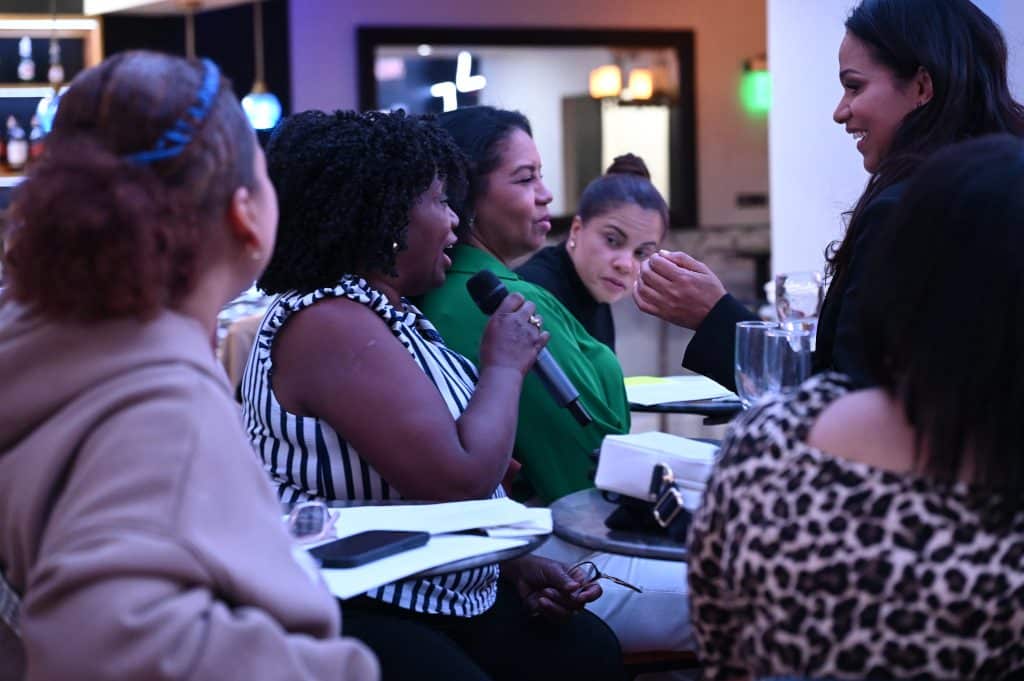
The last thing the Voz Colectiva community newsroom expected was that a casual question among its members would become a topic of interest for many other Latinas in Philadelphia.
“Could infidelity be considered a form of violence?” they asked themselves.
From that question came the idea of producing a podcast about infidelity from a psychological perspective. The response was so strong that it quickly evolved into a podcast series, including an in-person event with psychologists Hindira Santana and Wendy Reyes.
“They liked the workshop so much that they want more events like this to educate, strengthen and empower women,” said Evelyn Toriz, one of Voz Colectiva’s community reporters.
Psychologists Santana and Reyes were also struck by the dynamic that developed among the women who attended the workshop last November, creating a safe and educational space for many Latinas in Philadelphia. Their mission was to break down some of the taboos in the Latine community about seeking psychological help, and to explore the emotional, psychological and social impact of infidelity, especially on women.
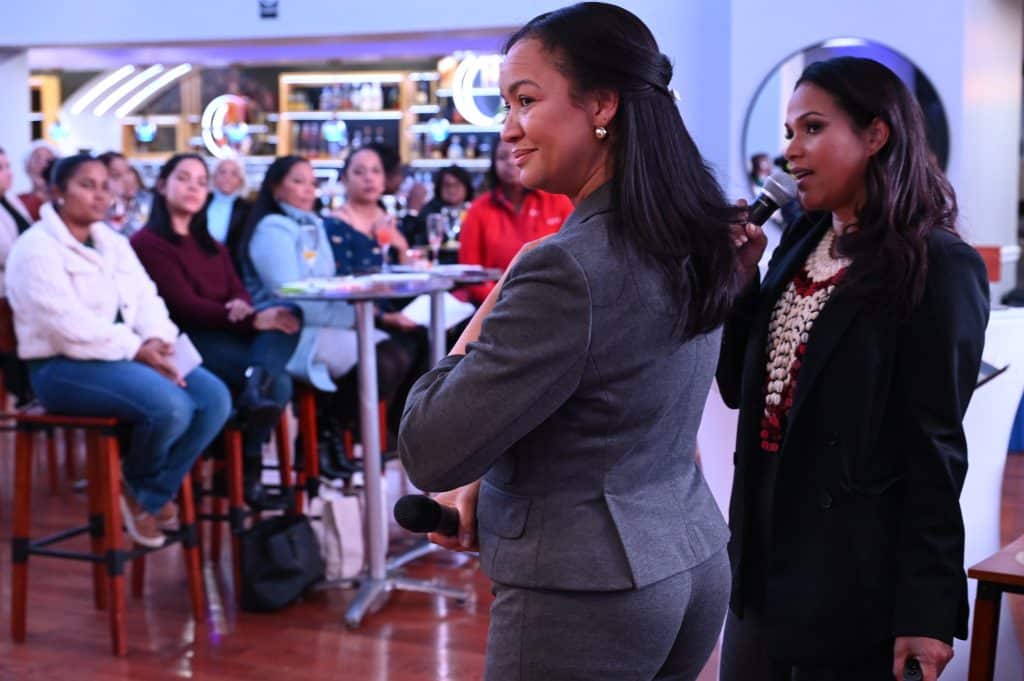
PHOTO: STEPHEN KNIGHT
For many Latinas, this workshop was the first time they learned that infidelity is psychologically comparable to a traumatic attachment event.
Although the Diagnostic and Statistical Manual of Mental Disorders does not formally define it that way, Santana and Reyes say infidelity can leave the affected partner with a profound loss of security; heightened fear and anxiety; doubts about self-worth; hypervigilance (constant suspicion); changes in how they love; and a deep fear of abandonment.
“Infidelity is not directly related to a lack of love,” Santana said. “Scientifically speaking, the person committing infidelity is someone who has gone through countless disorders or has experienced this constant cycle at home. It may be that this person has a self-esteem issue or some other disorder. There are so many possibilities, and much depends on the type of infidelity that occurs.”
What is infidelity?

Infidelity is the breaking of an emotional, sexual, or relational agreement within a couple. It occurs when one partner knowingly crosses a boundary their partner would not accept, hides it, and creates an emotional or physical double life.
In psychology, infidelity is understood not as a single act, but as a chain of micro-decisions that gradually pave the way.
Are there different categories of infidelity and types of cheaters?
Yes, according to Santana and Reyes. They identify seven types of cheaters and eight forms of infidelity.
The psychological therapy a person receives will vary, depending on the category. Each case is treated individually, taking into account the person’s social, cultural, and economic context.
The forms of infidelity:
1. Physical or sexual infidelity
2. Emotional infidelity
3. Digital infidelity
4. Mental or fantasy infidelity
5. Energetic or attentional infidelity
6. Financial infidelity
7. Situational infidelity
8. Repetitive or chronic infidelity
The types of cheaters:
1. The emotional cheater (the one who falls in love with someone else)
2. The occasional or situational cheater
3. The validation-seeking cheater (seeks to feel desired)
4. The narcissistic cheater
5. The vengeful or reactive cheaterhat
6. The dual-life cheater (leads a parallel life)
7. The chronic or compulsive cheater
Within these categories, psychologists Santana and Reyes say the most emotionally damaging types are the emotional cheater and the dual cheater, as they tend to cause the greatest trauma by involving deep bonding, connection and affection — not just the act itself.
The hardest to forgive are typically the narcissistic cheater and the chronic cheater, because they rarely change and lack emotional depth.
But what about the cheater?
Psychologists Santana and Reyes have found that infidelity is psychologically comparable to a traumatic attachment event because, in intimate relationships, a partner often functions as a primary source of emotional security. That sense of security is shattered when infidelity occurs. As a result, the cheater partner may live in a constant state of cognitive dissonance: “I did it, but I’m not like that,” reflecting an internal emotional fracture.
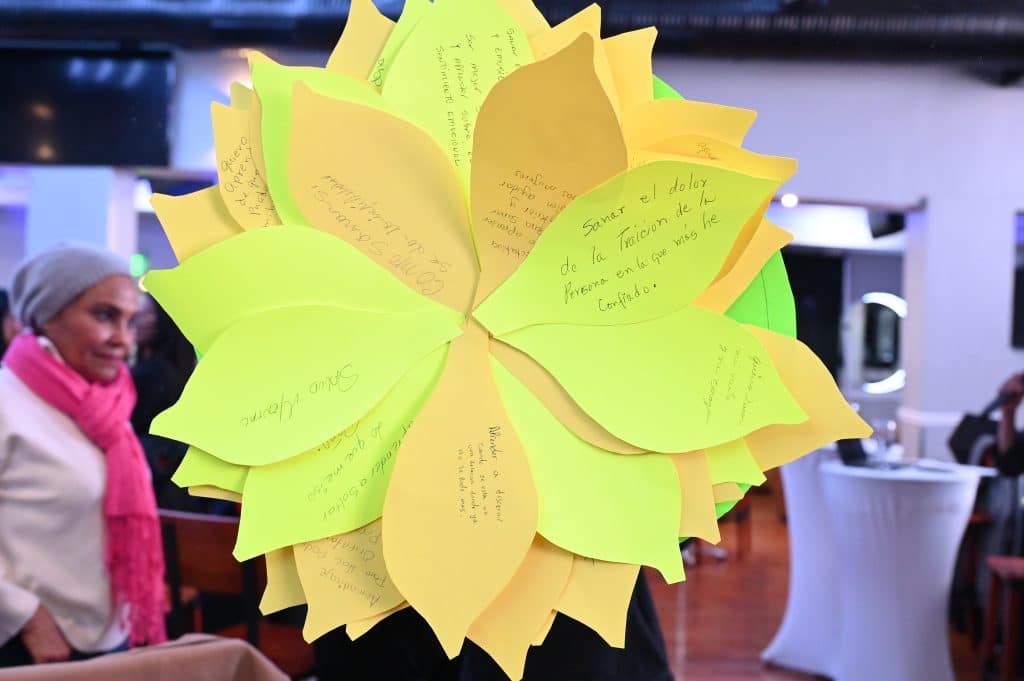
When people cheat, they may experience guilt, fear of being discovered, internal justifications, an emotional double life, anxiety about sustaining the lie, loss of self-respect, ethical conflict, and paralysis in decision-making.
What to expect in therapy
In a relationship, infidelity can be worked through in therapy when both partners are genuinely committed to repairing the relationship. That requires mutual agreement and a willingness to engage in psychological treatment for an indefinite period of time.
Psychologists “cannot erase the trauma, but we can teach people how to live with what happened. We also have to assess whether both partners have the mutual capacity to work through this situation and build a healthy life together,” Reyes said.
After infidelity or a breakup, the first step is not to “forget” what happened, but to rebuild one’s emotional foundation, working to regain a sense of self-worth, inner calm, and purpose.
The main goal of therapy is to begin a healing process grounded in self-compassion, awareness, and intentional action.
To support this process, psychologists Santana and Reyes recommend creating healthy habits that foster self-regulation and self-compassion — for example, physical habits that restore energy and self-esteem, mental habits that promote realistic positive thinking, and nurturing stronger connections with emotionally secure people.
Support networks in Philadelphia

If you are currently experiencing trauma due to infidelity and need psychological or legal support, as well as a space for emotional healing, here is a list of organizations in Philadelphia that offer free or low-cost assistance.
- Women Against Abuse
Shelter, 24-hour hotline, therapy, legal assistance. 866-723-3014 | womenagainstabuse.org - Philadelphia Domestic Violence Hotline
866-723-3014 | Available 24/7 in Spanish and English - Menergy
- For couples or families affected by infidelity or abusive behavior.
215-242-2235 | menergy.org - Philadelphia Mental Health Crisis Line
988 | Immediate support for emotional crises and suicidal thoughts. - Women’s Law Project
215-928-9801 | womenslawproject.org
- Lutheran Settlement House – Bilingual Domestic Violence Program
215-426-8610, ext. 1249 | lutheransettlement.org - CareerLink Philadelphia
Employment assistance, CVs, and workshops for women. | pacareerlinkphl.org - DHS – Office of Family and Community Services
Temporary assistance for housing and food. 215-685-3600 | 801 Market St., Philadelphia
- Congreso de Latinos Unidos
- Family Counseling Program. 215-763-8870 | congreso.net
- Women Organized Against Rape (WOAR)
215-985-3333 | woar.org
- Esperanza Health Center
- Bilingual emotional and spiritual counseling. 4417 N 6th St. 215-302-3600 | esperanzahealth.com
- Project SAFE / GALAEI
- Safe spaces for women and the LGBTQ+ community. (215) 851-1855 | galaei.org
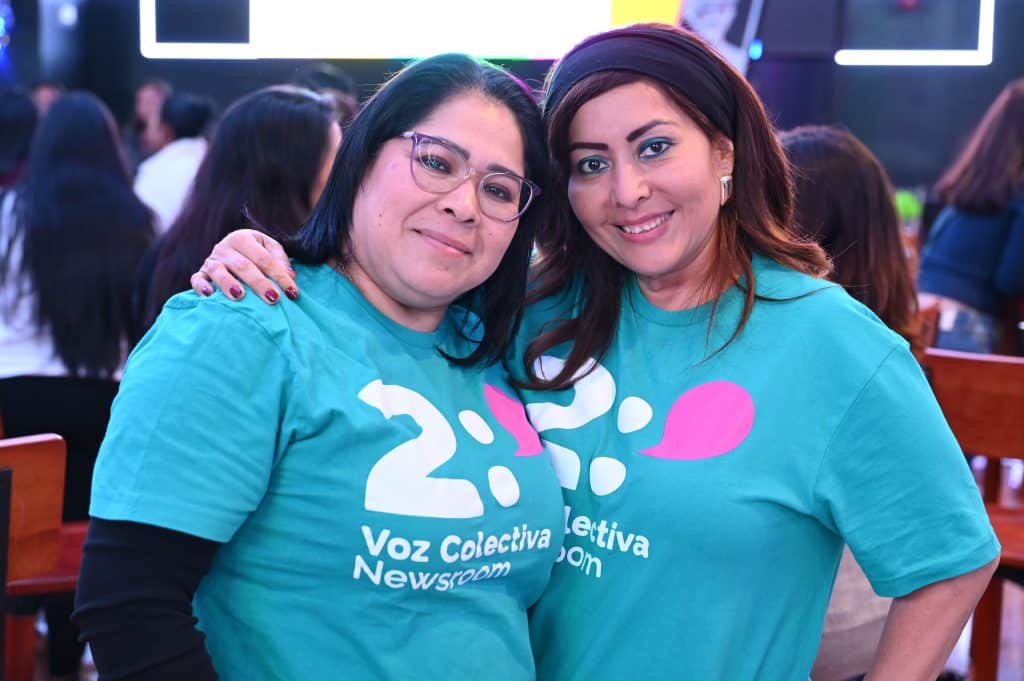
PHOTO: STEPHEN KNIGHT

Cómo abordar la infidelidad desde una perspectiva psicológica en la comunidad de mujeres latinas
Las psicólogas Hindira Santana y Wendy Reyes afirman que la infidelidad es psicológicamente comparable a un evento traumático de apego. Aquí te explicamos por qué.
Por: Némesis Mora

Lo que menos esperaba la sala de redacción comunitaria de Voz Colectiva era que una pregunta casual entre ellas se convirtiera en un tema de interés para muchas otras latinas en Filadelfia.
“¿Podría considerarse la infidelidad una forma de violencia?”, se preguntaron.
De esa pregunta surgió la idea de producir un podcast sobre la infidelidad desde una perspectiva psicológica. Tuvo tanta acogida que rápidamente evolucionó a una serie de podcast, que incluyó un taller educativo presencial con las psicólogas Hindira Santana y Wendy Reyes.
“Les gustó tanto el taller que quieren más eventos como este para educar, fortalecer y empoderar a las mujeres”, explicó Evelyn Toriz, una de las reporteras comunitarias de Voz Colectiva.
Las psicólogas Santana y Reyes también quedaron impactadas por la dinámica que se generó entre las mujeres que asistieron al taller el pasado noviembre, donde se creó un espacio seguro y educativo para muchas latinas en Filadelfia. Su misión fue romper algunos de los tabúes que existen en la comunidad latina sobre la búsqueda de ayuda psicológica y explorar el impacto emocional, psicológico y social de la infidelidad, especialmente en las mujeres.
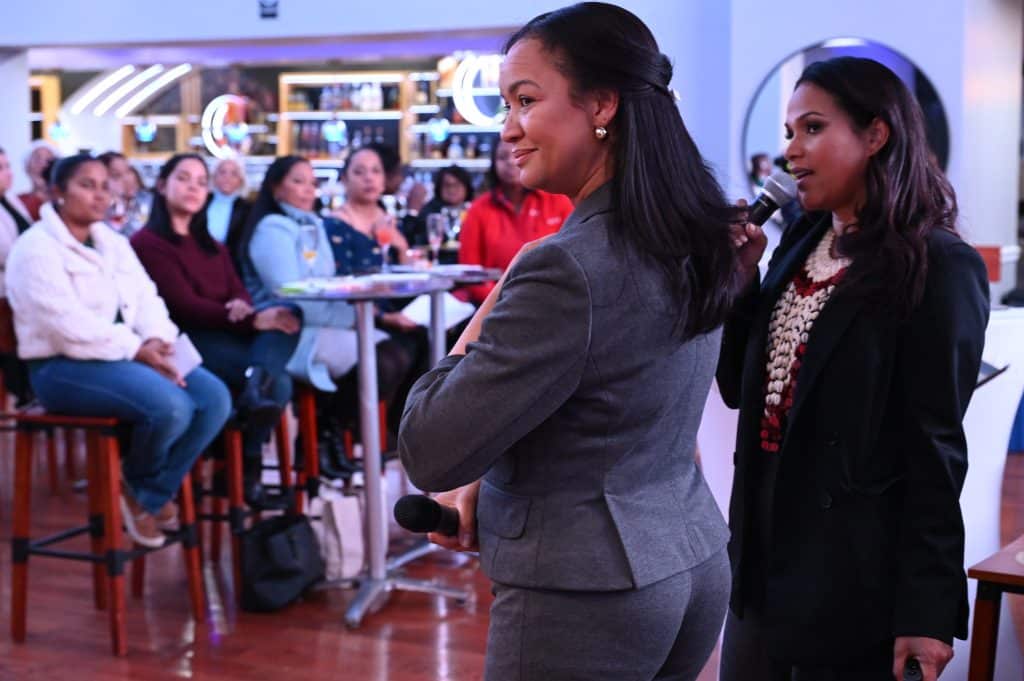
FOTO: STEPHEN KNIGHT
Para muchas latinas, este taller fue donde por primera vez aprendieron que la infidelidad es psicológicamente comparable a un evento traumático de apego.
Aunque no está incluída en el Manual Diagnóstico y Estadístico de los Trastornos Mentales (DSM, por sus siglas en inglés), Santana y Reyes explicaron que la infidelidad puede dejar a la persona afectada con una profunda pérdida de seguridad; un aumento del miedo y la ansiedad; dudas sobre su propio valor; hipervigilancia (sospecha constante); cambios en la forma de amar; y un miedo profundo al abandono.
“La infidelidad no está directamente relacionada con la falta de amor”, añadió Santana. “Científicamente hablando, la persona que comete una infidelidad suele ser alguien que ha atravesado múltiples desórdenes o ha vivido este ciclo de forma constante en su entorno familiar. Puede tratarse de un problema de autoestima u otro tipo de trastorno. Hay muchas posibilidades, y depende mucho del tipo de infidelidad que ocurra”.
¿Qué es la infidelidad?
La infidelidad es la ruptura de un acuerdo emocional, sexual o relacional dentro de una pareja. Ocurre cuando una persona cruza conscientemente un límite que sabe que su pareja no aceptaría, lo oculta y crea una doble vida emocional o física.
Desde la psicología, la infidelidad no se entiende como un acto aislado, sino como una cadena de microdecisiones que, poco a poco, allanan el camino hacia la traición.
¿Existen diferentes categorías de infidelidad y tipos de personas infieles?
Sí, según Santana y Reyes. Ellas identifican siete tipos de personas infieles y ocho formas de infidelidad.
La terapia psicológica que recibe una persona varía según la categoría. Cada caso se trata de forma individual, tomando en cuenta el contexto social, cultural y económico de la persona.
Las formas de infidelidad:
- Infidelidad física o sexual
- Infidelidad emocional
- Infidelidad digital
- Infidelidad mental o de fantasía
- Infidelidad energética o de atención
- Infidelidad financiera
- Infidelidad situacional
- Infidelidad repetitiva o crónica
Los tipos de personas infieles:
- La persona infiel emocional (se enamora de otra persona)
- La persona infiel ocasional o situacional
- La persona infiel que busca validación (necesita sentirse deseada)
- La persona infiel narcisista
- La persona infiel vengativa o reactiva
- La persona infiel con doble vida (lleva una vida paralela)
- La persona infiel crónica o compulsiva
Dentro de estas categorías, las psicólogas Santana y Reyes señalan que la más dañina es la persona infiel emocional y la persona de doble vida, ya que suelen provocar un trauma más profundo al involucrar vínculos afectivos, conexión emocional y apego, no sólo el acto de infidelidad en sí.
Los más difícil de perdonar suele ser la persona infiel narcisista y la persona infiel crónica, ya que rara vez cambian y carecen de profundidad emocional.
¿Y qué pasa con quien comete la infidelidad?
Santana y Reyes han observado que la infidelidad es psicológicamente comparable a un evento traumático de apego porque, en las relaciones íntimas, la pareja suele funcionar como una fuente primaria de seguridad emocional. Esa sensación de seguridad se rompe cuando ocurre una infidelidad.
Como resultado, la persona que fue infiel puede vivir en un estado constante de disonancia cognitiva: “Lo hice, pero yo no soy así”, lo que refleja una fractura emocional interna.
Quienes cometen una infidelidad pueden experimentar culpa, miedo a ser descubiertos, justificaciones internas, una doble vida emocional, ansiedad por sostener la mentira, pérdida del respeto propio, conflicto ético y parálisis en la toma de decisiones.
Qué esperar en terapia
En una relación, la infidelidad puede trabajarse en terapia cuando ambas personas están genuinamente comprometidas con reparar el vínculo. Esto requiere un acuerdo mutuo y la disposición de participar en un proceso terapéutico por un periodo de tiempo indefinido.
“Las psicólogas no podemos borrar el trauma, pero sí podemos enseñar a las personas a vivir con lo que ocurrió. También debemos evaluar si ambas partes tienen la capacidad mutua de atravesar esta situación y construir una vida sana juntas”, explicó Reyes.
Después de una infidelidad o una ruptura, el primer paso no es “olvidar” lo ocurrido, sino reconstruir la base emocional, trabajando para recuperar el sentido de valía personal, la calma interior y el propósito.
El objetivo principal de la terapia es iniciar un proceso de sanación basado en la autocompasión, la conciencia y la acción intencional.
Para apoyar este proceso, Santana y Reyes recomiendan crear hábitos saludables que fomenten la autorregulación y la autocompasión. Por ejemplo, hábitos físicos que restauren la energía y la autoestima; hábitos mentales que promuevan un pensamiento positivo realista; y el fortalecimiento de vínculos con personas emocionalmente seguras.
Redes de apoyo en Filadelfia
Si actualmente estás atravesando un trauma debido a una infidelidad y necesitas apoyo psicológico o legal, así como un espacio para la sanación emocional, aquí te compartimos una lista de organizaciones en Filadelfia que ofrecen asistencia gratuita o de bajo costo:
Women Against Abuse
Refugio, línea de emergencia 24 horas, terapia y asistencia legal.
866-723-3014 | womenagainstabuse.org
Philadelphia Domestic Violence Hotline
866-723-3014 | Disponible 24/7 en español e inglés
Menergy
Para parejas o familias afectadas por infidelidad o conductas abusivas.
215-242-2235 | menergy.org
Philadelphia Mental Health Crisis Line
988 | Apoyo inmediato para crisis emocionales y pensamientos suicidas.
Women’s Law Project
215-928-9801 | womenslawproject.org
Lutheran Settlement House – Programa bilingüe de violencia doméstica
215-426-8610, ext. 1249 | lutheransettlement.org
CareerLink Philadelphia
Asistencia laboral, currículums y talleres para mujeres.
pacareerlinkphl.org
DHS – Office of Family and Community Services
Asistencia temporal para vivienda y alimentos.
215-685-3600 | 801 Market St., Philadelphia
Congreso de Latinos Unidos
Programa de consejería familiar.
215-763-8870 | congreso.net
Women Organized Against Rape (WOAR)
215-985-3333 | woar.org
Esperanza Health Center
Consejería emocional y espiritual bilingüe.
4417 N 6th St. | 215-302-3600 | esperanzahealth.com
Project SAFE / GALAEI
Espacios seguros para mujeres y la comunidad LGBTQ+.
(215) 851-1855 | galaei.org
FOTO: STEPHEN KNIGHT
Autor(a)
