Second-Generation Latines: The Hidden Mental Load
By Valeria Uribe
From translating for parents to bicultural stress, explore how second-generation Latinos navigate mental health in Philadelphia and where to find support.
There’s no single story about being a Latine in the U.S. Some people come to this country seeking new opportunities, and others are born here after their parents immigrate. Children of immigrants face a unique set of challenges and responsibilities that can take a toll on their mental health.
They often struggle to balance their bicultural identity, feel pressured to excel, and carry responsibilities that normally belong to caretakers.
Currently, children and adolescents in the U.S. are in the midst of a mental health crisis. Around 40% of high school students reported persistent feelings of sadness or hopelessness, and 18% experienced depression, according to Virginia Commonwealth University’s School of Medicine.
However, this crisis disproportionately affects Latine children; they are more likely to struggle with depression, anxiety, and substance use disorder.
Latines don’t always seek medical assistance, so it can be hard to assess exactly how the mental health crisis affects young Latines, said David Heayn-Menendez, mental health campaign senior adviser for communications at Children First. This can have ripple effects down the line and affect Latines’ mental health further into their lives.
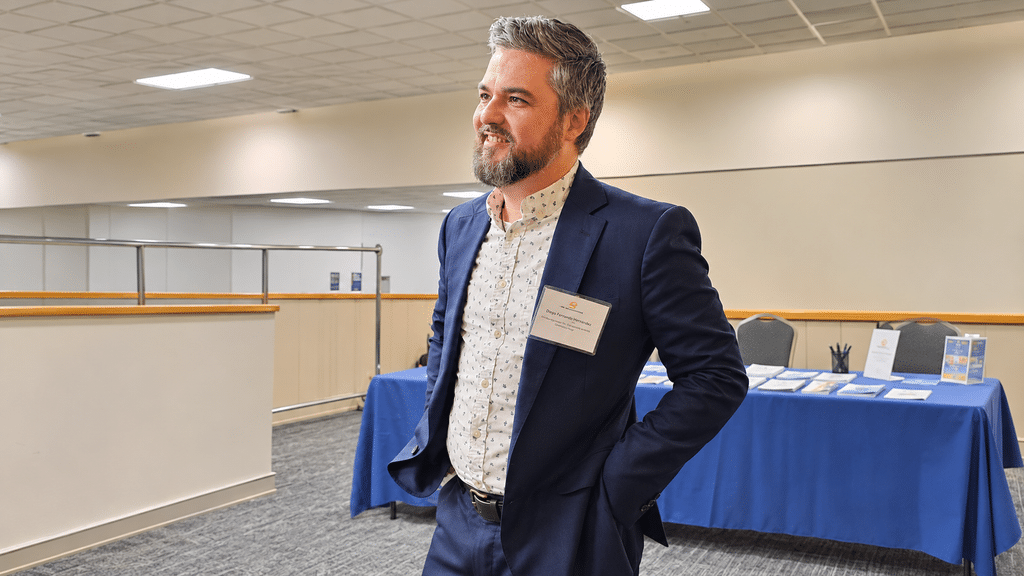
“I am afraid that this will result in more chronic mental health issues for young people that they then take into adulthood and beyond and don’t have the tools necessary to navigate these as adults and eventually as parents themselves, which then has this cascading effect through the generations as they become those that are supposed to care for new young ones,” Heayn-Menendez explained.
Silent responsibility and language barriers
Sarahi France-Morales has experience navigating life as a second-generation Latina, and is familiar with the challenges and responsibilities children of immigrants carry.
France-Morales, a senior at the University of Pennsylvania, had a more mature role growing up. She was the only one in her home who spoke English, so she stepped in, often translating for her parents.
“My friends and I were usually the only ones who spoke English in our homes, so we usually had to be involved in more adult issues and be there to support [our families],” France-Morales said. “There’s no resentment about it at all; we were happy to be there and be able to support and be part of our family’s safety and that they were comfortable here, but it is something that until today I have to work to find a healthy balance.”
Helping family members with translation is one of the most common responsibilities second-generation children carry. But having such an important role from a young age can require them to mature faster than their peers, and increase the chances of emotional strain.
Having to switch between languages can be emotionally draining and generate confusion among second-generation Latines as they struggle to convey their needs and emotions.
María de los Ángeles Hernández, a Latina mother who has lived in Philadelphia for more than 20 years, has seen how language can affect the way her children communicate their emotions and thoughts.
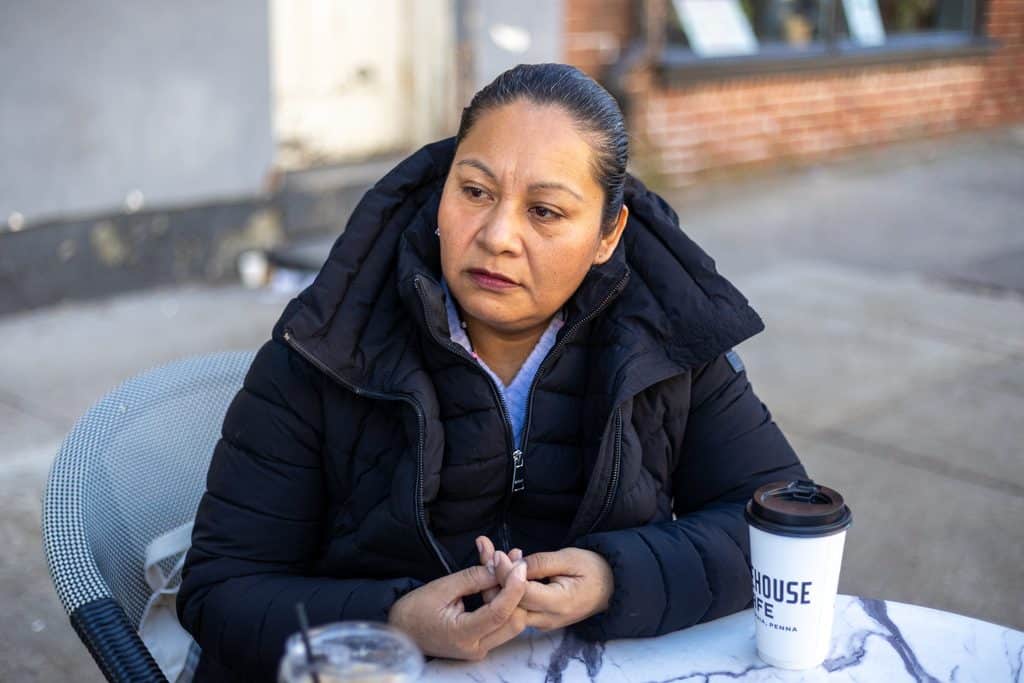
The Hernández children “were born and raised in a place unknown to me,” Hernández said. “Although they are my children and I’m in the same place, I’m not living the same things they are living, starting with the language; English is their first language.”
France-Morales’ first language is Spanish, and she is fluent in English as well. However, she feels there is a side of her that her friends who speak only English will never fully understand.
“I also have friends who only speak in English, and I love them a lot, but I feel like there is always going to be a part of me that they won’t know or that I can’t fully express myself,” France-Morales said.
Loneliness and bicultural tensions
The stark contrast between Latin America’s family-oriented culture and the U.S.’s individualistic mindset increases feelings of loneliness and makes second-generation Latines feel stuck between two cultures.

Hernández believes younger Latines can feel lonely sometimes, as they don’t have a lot of family members in this country and their parents often have to work more than one job.
“A lot of things affect them, from the loneliness that comes from not having a family, because we Latines come from a big place, very empathetic, very community-focused,” Hernández said. “In my case, I’m from a town where we all know each other; there are greetings, we all have coffee together, and we talk. So, I think that helps because we are not bottling our emotions, as we do in Philadelphia.”
Going back and forth between two different cultures — between two different worlds — can evoke complex emotions and even be uncomfortable for second-generation Latines.
France-Morales has to constantly remind herself that she belongs with her peers at the University of Pennsylvania and at home with her family.
“I have to convince myself, remind myself, that I belong here,” she said. “But sometimes when I say I belong [at school], I feel that when I go back home I can’t belong to two different places.”
Guidance and listening
Learning to navigate adult life is complicated. But for second-generation Latines, their parents don’t always have the tools to guide them.
This can be frustrating for parents and children alike.
For Hernández, it was challenging to support her son as he prepared to go to college, and then after he got there. There was a plethora of challenges, including taking out loans, selecting the right major, and figuring out which classes to take.
As a mother, Hernández wanted her son to have a college education. But her son wanted to take a break and get into college on his own schedule, because he kept running into challenges that made him feel like he did not belong.
“I understand that a lot of times I’m not going to understand them, but I have to listen to them and support them,” Hernández said. “I’m here as a mother; sometimes I do not understand, I cannot help, but I’m here to support you in whatever you want.”
Make the sacrifice worth it
A lot of times, second-generation Latines do not want to express their needs or feelings to avoid worrying their parents. Children of immigrants witness the sacrifices their parents made for them and so bottle their emotions to protect them.
“They also take responsibility and say, ‘I don’t want to talk about my feelings, I don’t want to talk or comment on what is going on with me because if I do I’m another concern for my parents,’’’ Hernández explained. “It’s enough for them to pay the rent and the food; if I come to them with my feelings, I will affect them more.”
However, second-generation Latines also feel motivated by their parents. They want to be able to care for them in the future and repay them. But that can lead second-generation children to put too much pressure on themselves.
France-Morales often finds herself questioning whether she has done enough. She wants to be able to make a difference for her community and give her parents the life they deserve, she said.
“The feeling of seeing and listening to what our parents have suffered, the needs they have endured, the different ways of living, I believe in all that sacrifice, and I have to make it worth something,” France-Morales said. “I feel like, to me, they deserve the world, I want to be able to tell my mom ‘I’ll buy you a house,’ and that she doesn’t have to be worrying about the rent or dealing with landlords, and I want them to feel like they belong.”
What can help second-gen?
Attending therapy can help second-generation Latines with the pressure and stress that come from internalized responsibilities. The Hispanic Community Counseling Services, a Latine-operated and community-based organization, offers individual, family, and group therapy options. Appointments can be made online or by calling (215) 425-6900 or (215) 291-8151.

Additionally, connecting with other people with similar backgrounds and interests can be beneficial, as community and connection have been shown to have a positive impact on mental health.
Whether it’s first, second, or third generation, being an immigrant comes with unique feelings and experiences that can evoke powerful emotions. But there are about 252,000 Latines in Philadelphia learning to navigate this city. Maybe knowing we are in this together will make us feel less alone.
Metro Philadelphia and 2Puntos Platform are two of 27 news organizations powering the Philadelphia Journalism Collaborative. We do solutions reporting on things that affect daily life in our city where the problem and symptoms are obvious, but what’s driving them isn’t. Follow us at @PHLJournoCollab.


Latines de segunda generación: la carga mental oculta
Desde la labor de traducción para los padres hasta el estrés bicultural, descubre cómo los latines de segunda generación lidian con la salud mental en Filadelfia y dónde pueden encontrar apoyo.
Por Valeria Uribe
No hay una sola forma de ser latine en EE.UU. Algunas personas llegan a este país buscando nuevas oportunidades y otras nacen aquí luego de que sus padres emigraron. Los hijos de inmigrantes enfrentan desafíos y responsabilidades únicas que pueden afectar su salud mental.
A veces les cuesta balancear su identidad bicultural, sienten presión por sobresalir y cargan responsabilidades que normalmente pertenecen a los adultos a cargo.
Actualmente, niños y adolescentes en EE.UU. están atravesando una crisis de salud mental. Alrededor del 40% de los estudiantes de secundaria reportaron constantes de tristeza y desesperanza y el 18% ha experimentado depresión, según Virginia Commonwealth University’s School of Medicine.
Sin embargo, esta crisis afecta a los jóvenes latines desproporcionadamente; ellos tienen más posibilidades de sufrir depresión, ansiedad y trastornos por consumo de sustancias.
Los latines no siempre buscan atención médica, así que puede ser difícil saber exactamente cómo la crisis de salud mental afecta a los jóvenes latines, dijo David Heaven-Menendez, asesor ejecutivo de comunicaciones de la campaña de salud mental de Children First. Esto puede tener repercusiones a largo plazo y afectar la salud mental de los latinos a lo largo de sus vidas.
“Temo que esto resulte en más problemas crónicos de salud mental en los jóvenes, que luego se llevarán a la edad adulta y más allá, y que no tendrán las herramientas necesarias para enfrentarlos como adultos y eventualmente como padres, lo cual a su vez tendrá un efecto en cadena a lo largo de las generaciones, ya que ellos se convertirán en quienes cuidan a los nuevos jóvenes”, explicó Heaven-Menendez.
Carga silenciosa
Sarahi France-Morales tiene experiencia navegando por la vida como latina de segunda generación y es familiar con los retos y las responsabilidades que asumen los hijos de inmigrantes.
France-Morales, una estudiante de último año en la Universidad de Pensilvania, asumió un papel más maduro mientras crecía. Era la única en su casa que hablaba inglés, así que muchas veces se hacía cargo de traducir para sus padres.
“Mis amigas y yo usualmente éramos las únicas que hablábamos inglés en nuestros hogares, entonces para nosotras era normal que tuviéramos que estar involucradas en esos asuntos más de adultos y estar ahí como ese apoyo”, France-Morales dijo. “Nosotras no crecimos con ningún tipo de rencor para nada; nosotras estamos felices de poder apoyar y ser parte de la seguridad de nuestra familia y de que ellos se sientan cómodos aquí, pero definitivamente yo creo que es algo que hasta el día de hoy tengo que encontrar un balance saludable”.
Ayudar a sus familiares con traducciones es una de las responsabilidades más comunes que asumen los hijos de segunda generación. Sin embargo, asumir un papel tan importante desde una edad temprana puede hacerlos madurar más rápido y aumentar el riesgo de estrés emocional.

Tener que cambiar entre lenguajes puede ser emocionalmente agotador y generar confusión entre los jóvenes de segunda generación, haciendo que sea más complicado para ellos expresar sus necesidades y emociones.
María de los Ángeles Hernández, una madre latina que ha vivido en Filadelfia por más de veinte años, ha visto la forma en la que el lenguaje afecta la forma en la que sus hijos comunican sus emociones y pensamientos.
Los hijos de Hernández “nacieron y crecieron en un lugar desconocido para mí”, dijo Hernández. “Aunque son mis hijos y aunque yo también estoy en el mismo lugar, no estoy viviendo lo mismo que ellos, desde el idioma; el inglés es su primer idioma”.
La lengua materna de France-Morales es el español, aunque también habla inglés con fluidez. Sin embargo, siente que hay una parte de ella que sus amigos que solo hablan inglés nunca entenderán.
“Tengo amistades que solo hablan en inglés y las quiero mucho, pero siento que siempre va a haber una parte de mí que ellos no pueden conocer o que no puedo expresarme completamente”, explicó France-Morales.
La soledad y las tensiones biculturales
El contraste entre la cultura latinoamericana, centrada en la familia, y la mentalidad individualista de Estados Unidos aumenta la sensación de soledad y hace que los latines de segunda generación se sientan atrapados entre dos culturas.
Hernández cree que los latines más jóvenes pueden sentirse solos, ya que no tienen muchos familiares en este país y sus padres a menudo tienen que trabajar en más de un empleo.
“Muchas cosas que afectan, desde la soledad, la soledad de no tener una familia, porque como latinos venimos de un lugar muy grande, muy empático, muy comunitario”, dijo Hernández. “En mi caso, soy de un pueblo donde todos nos conocemos; hay saludo, todos tomamos un café y platicamos. Entonces, creo que eso ayuda un poquito más en la vida diaria porque estamos hablando; los sentimientos nos están guardados, como es el caso en Philadelphia”.
Alternar entre dos culturas diferentes—entre dos mundos distintos—puede evocar emociones complejas e incluso resultar incómodo para los latinos de segunda generación.
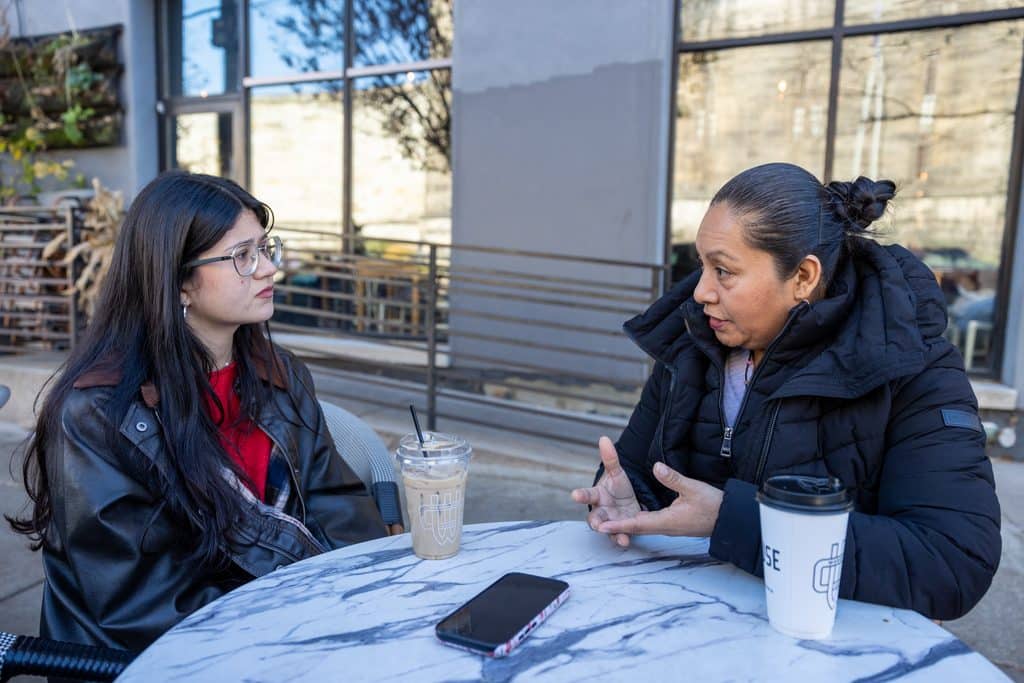
“Tengo que convencerme y recordarme que pertenezco a este lugar”, ella dijo. “Pero a veces, al decir que pertenezco aquí, siento que cuando regreso a casa no puedo pertenecer a dos lugares diferentes”.
Orientación y escucha
Aprender a desenvolverse en el mundo adulto es complicado. Pero para los latines de segunda generación puede ser incluso más complejo, ya que sus padres no siempre cuentan con las herramientas necesarias para guiarlos.
Esto puede resultar frustrante tanto para los padres como para los hijos.
Para Hernández, fue un reto apoyar a su hijo mientras se preparaba para ingresar a la universidad y navegar el sistema una vez ingresó. Hubo una gran cantidad de desafíos, entre ellos solicitar préstamos, elegir la carrera adecuada y decidir qué clases tomar.
Como madre, Hernández quería que su hijo tuviera una educación universitaria. Por el otro lado, su hijo quería ingresar a la universidad a su propio ritmo, ya que seguía encontrando dificultades que le hacían sentir que no encajaba.
“Entiendo que muchas veces no siempre va a entenderlos, pero hay que escucharlos y apoyarlos”, Hernández dijo. “Aquí estoy como mamá, no te entiendo, no puedo ayudar, pero te apoyo en lo que tú quieras”.
Hacer que el sacrificio valga la pena
Muchas veces, los latines de segunda generación no quieren expresar sus necesidades o sentimientos para no preocupar a sus papás. Los hijos de inmigrantes so testigos de los sacrificios que sus papás hicieron por ellos, y por eso reprimen sus emociones para protegerlos.
“Ellos también toman responsabilidad y dicen: ‘No quiero hablar de mis sentimientos, no quiero hablar ni comentar lo que pasa o lo que yo siento porque es una preocupación más para mis padres’”, explicó Hernández. “Ya les cuesta bastante pagar la renta y la comida, y si yo vengo con mis sentimientos, pues los voy a afectar más”.
Sin embargo, los latines de segunda generación también se sienten motivados por sus padres. Quieren poder cuidar de ellos en el futuro y retribuirles todo lo que han hecho por ellos, pero esto puede llevarlos a que pongan mucha presión sobre sus hombros.
Francia-Morales a menudo se pregunta si ha hecho lo suficiente. Quiere poder marcar la diferencia en su comunidad y darles a sus padres la vida que se merecen, dijo.
“El sentimiento de ver y escuchar lo que han sufrido nuestros papás, la necesidad que ellos han pasado o las diferencias en la forma de vivir, o sea, yo creo que todo ese sacrificio y yo que soy la única que tiene que valer”, dijo France-Morales. “Yo siento que para mí ellos merecen el mundo; yo quiero decirle a mi mamá ‘te compro una casita’ y que no tenga que estar pensando en la renta o lidiando con el arrendador y que ellos puedan sentir que pertenecen”.
¿Qué puede ayudar a la segunda generación?
Asistir a terapia puede ayudar a los latines de segunda generación a lidiar con la presión y el estrés que vienen con las responsabilidades que han internalizado. Los Servicios de Asesoramiento para la Comunidad Hispana, una organización dirigida por latines y basada en la comunidad, ofrece terapia individual, familiar y grupal para jóvenes. Se pueden programar citas en línea o llamando al (215) 425-6900 o al (215) 291-8151.
Además, relacionarse con otras personas con experiencias e intereses similares puede ser beneficioso, ya que se ha demostrado que la comunidad y las relaciones sociales tienen un impacto positivo en la salud mental.

Ya sea de primera, segunda o tercera generación, ser inmigrante conlleva sentimientos y experiencias únicas que pueden evocar emociones intensas. Pero en Filadelfia hay alrededor de 252 000 latinos que están navegando esta ciudad. Quizá saber que estamos juntos en esto puede hacernos sentir menos solos.
Metro Philadelphia y 2Puntos Platform son dos de las 27 organizaciones de noticias que colaboran en el Philadelphia Journalism Collaborative. Publicamos reportajes basados en soluciones que informan sobre asuntos que afectan la vida diaria en nuestra ciudad, donde el problema y los síntomas son evidentes, pero lo que los impulsa no lo es. Síganos en @PHLJournoCollab.
Autor(a)